Listen to the audio version of this article (generated by AI).
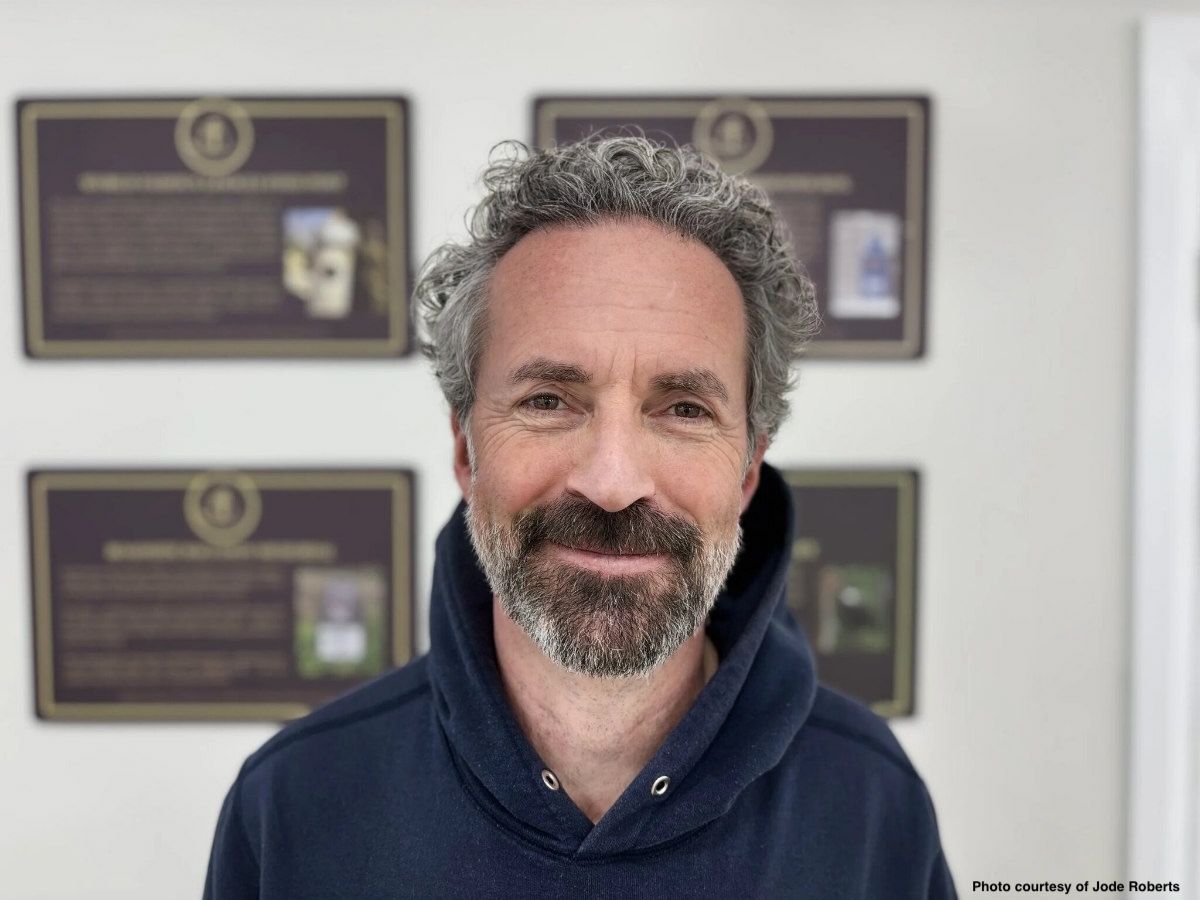
Last Tuesday, I was part of a ritual started by Toronto-based artist and community organizer Jode Roberts in 2025, which he claims “transformed his year.” Every week, he meets someone new for a conversation. He began with a handful of people, who led to the next person and the next. In total, he had 50 coffee dates—some with acquaintances and most with strangers. Each meeting sparked interesting discussions, and many naturally ran longer than planned.
Some friends who knew about this jour fix were surprised he didn’t take pictures or share the experience on social media. Roberts was firm in his stance, explaining, “It wasn’t about me building my network or showcasing how I can meet all these interesting people. It was more genuine; I just wanted to hang out and have coffee,” he shares during our Zoom conversation.
Almost all of Roberts’ encounters were in person. “It’s more fun in person. You pick up on more cues, and when you hit it off, conversations grow. Sitting on a sunny patio helps, too — there’s a narrow window in Canada where that kind of ease is possible. That’s part of the joy.”
The encounters were brief, lasting just an hour. Since it was a first and only date, you don’t get into deep politics. And that’s part of the joy. There’s so much else to talk about. Often, they talked about a common theme or interest. The first bit of conversation will be about the person who connected them.
So why do this, Jode? I ask: “I’m living in a city, and I draw energy from all the awesome people around me.” He admits it might sound a bit self-serving, but it serves a social and mental purpose. That first take is important to Roberts because, he says, “When you sit down with people who build, imagine, question, and create, your own ideas start to shift. Your assumptions loosen. Your perspective stretches. Even short chats leave behind a spark that lingers.” Isn’t that how we continue to grow?
He points out that these encounters were “reminders of how rich and strange the world can be when you show up with no agenda.” Indeed, we often fill our daily lives with work meetings and many other transactional interactions. But this pursuit of efficiency and achievement in line with norms can come at the cost of pleasure. He agrees, “At some point I realized I was less interested in interactions shaped by ego or self-promotion, and more drawn to encounters that leave space for curiosity.”
Recommended Read: Why We Should Dance in the Streets
The word “joy” frequently comes up in our conversation, as he keeps telling stories of his urban initiatives that cue him to something else, deconstructing the structure of our interview from the beginning. But precisely this spontaneity is what makes it more enjoyable, and I stay in the moment.
My first encounter with Jode Roberts was in 2021 when we discussed The Butterfly Project, part of the Rewilding Communities Program he leads at the David Suzuki Foundation. To find out some days later that his efforts to connect communities to nature campaigns were just the tip of the iceberg of his community projects.
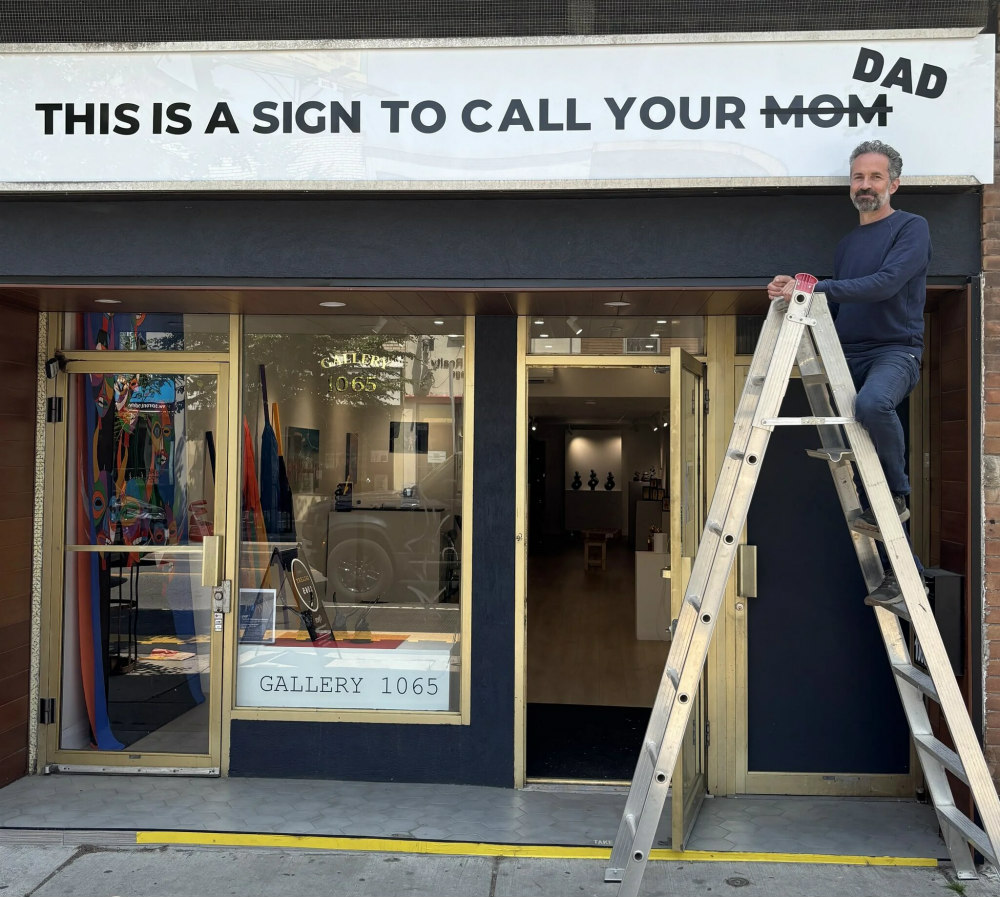
Roberts is connected with a bunch of Toronto’s urban art “rabble-rousers,” as he calls them, who have been making bold interventions in the city. If you walk the streets of Toronto, you’ll likely come across heritage-like signs commemorating where a telephone booth once stood or a missing tree. These are part of the Toronto Sign Reimagination Unit, an initiative led by Roberts. Other signs include a heritage plaque for a vanished Toronto Star newspaper box, which highlights the rapid evolution of news consumption and urban landscapes, as well as a plaque for a wild turkey that once lived in the neighborhood and a memorial for a raccoon that has passed away. These satirical plaques reflect Roberts’ broader initiatives that invite urban dwellers to pause, laugh, and reconsider their surroundings through nostalgia and joy. Even the most mundane corners of the city can evoke memories or delight us in whimsical ways as we walk the streets.
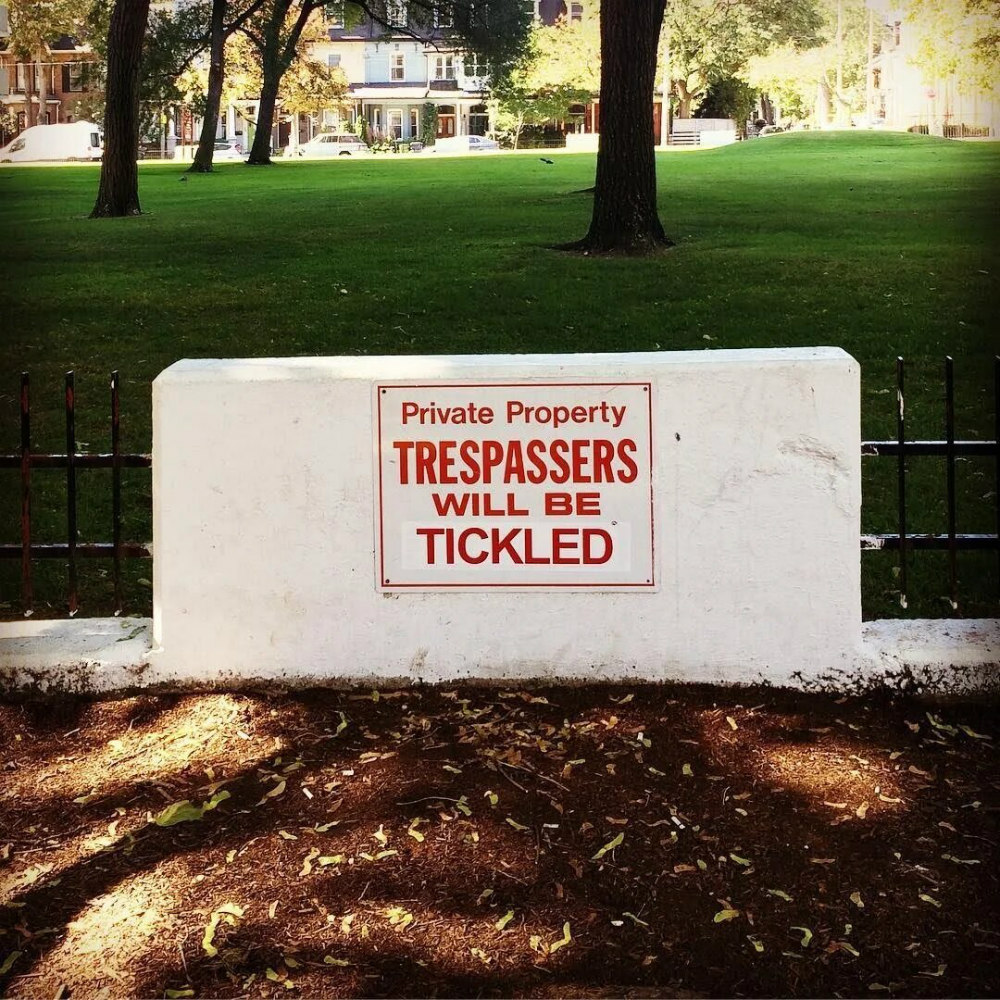
In a rather dull lawn behind an apartment building bordering Grange Park, a no-trespassing sign read: “Private Property — Trespassers will be tickled.” These altered signs created by the Toronto Sign Reimagination Unit feature playful warnings about the supposed “dangers” of entering the area.
After listing numerous community projects (the ones mentioned in this article are just an appetizer), it seems a natural moment to ask how easy it is to obtain permits in Toronto. I get a frank answer: “I’m aware that I move through the city with a certain amount of ease. In a busy city, you can do bold things unnoticed. That latitude allows me to take risks others might not be able to.”
Many of Roberts’ urban joy initiatives are centered in his neighborhood, Christie Pits, which is built around the historic park of the same name. After living there for over 20 years, with at least half of that time dedicated to community projects, he has likely become a household name at the city administration. “The city’s heritage department knows about my heritage plaques project. However, I’m not being political or nasty; I’m simply trying to bring a bit of joy and whimsy to people’s lives in the city,” he notes.
Recommended Read: Growing Up in the City: What It Was, What It Can Be Again
Not always does the city give him carte blanche. Once, city staff requested that he relocate the signs for his community art project, Walkable Planets, from the streets to the public park because they could confuse pedestrians and drivers. Walkable Planets features a scale solar system, with all the planets on existing posts at their approximate distances from each other along a two-kilometer route (scaled approximately to 1-to-2 billion) to spur curiosity about the immensity of our solar system.
Still, Roberts manages to convince senior staff at the Parks Department to give his group the key to a massive storage room under the pool that wasn’t in use. “There’s an opportunity that you can find if you build these relationships over time and share them with others,” he says. He, along with a few other groups—such as local skateboarders and a puppet theater company—store their equipment there. “It’s not the best storage space; sometimes the pool leaks, and there’s no heat. But finding storage in a busy city is a privilege,” he remarks.
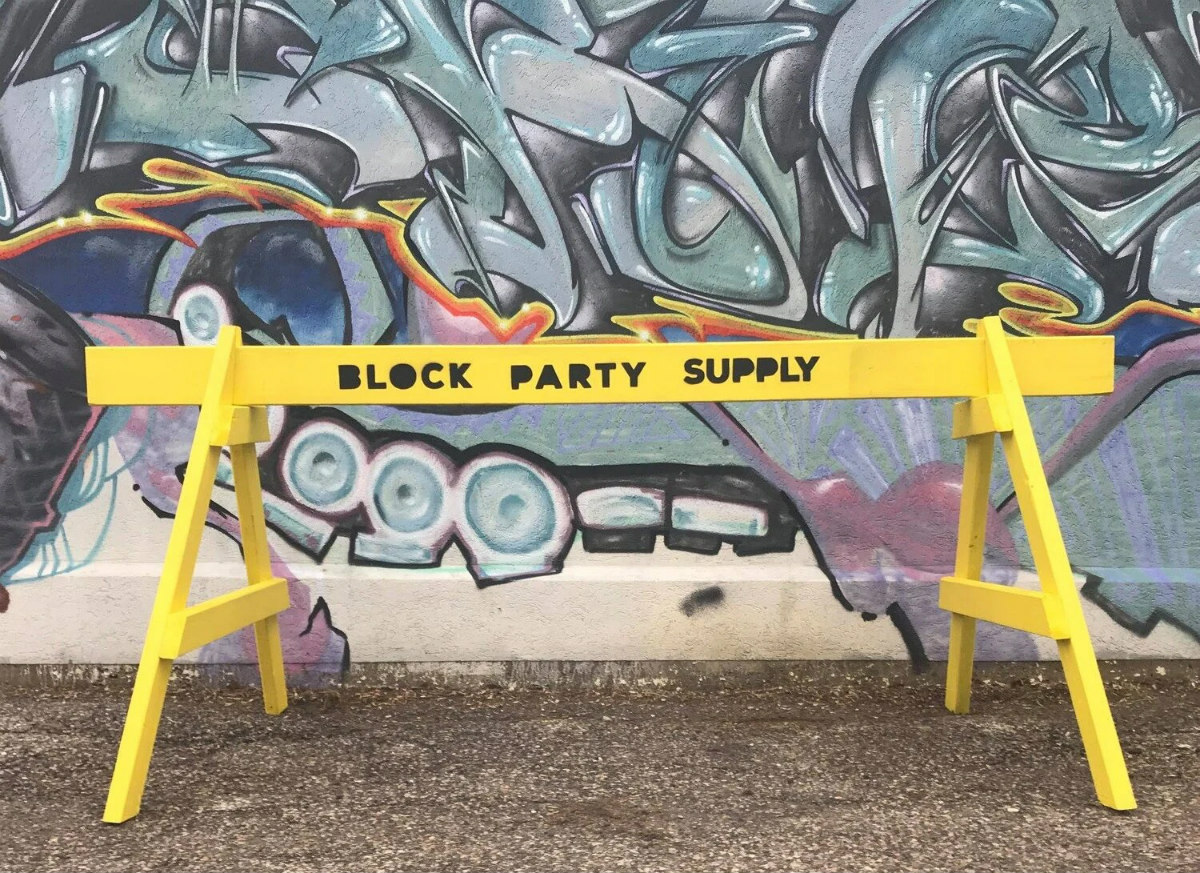
Roberts keeps a variety of party essentials in this space, including tables, chairs, canopy tents, giant board games, plates, and utensils. In 2019, he founded Block Party Supply, a local lending library in Toronto’s Christie Pits neighborhood that facilitates street parties, laneway gatherings, and other local events for residents and community groups. He has used the supply to run a bunch of pizza nights and events around the city-built oven in the park — there was also Indian food from a local restaurant, music, and beer. “Our pizza nights were one of the biggest pizza joints in Toronto. It was very hip. They were so popular that there’d be a lineup of 100 people waiting to get a slice of pizza, and you can only cook them so fast,” he laughs. The Block Party Supply is an excellent initiative to lower barriers to hosting community celebrations in public spaces and to spark joy in urban life; it’s no wonder it is often oversubscribed during popular early-summer and fall weekends.
As an artist, Roberts undoubtedly takes time to bring communities close to art. His projects reflect that. This month, an art gallery with the sign “National Portrait Gallery” and the name of the neighborhood, Bloorcourt, tacked onto the end, stopped passersby in their tracks — Canada has been dangling the promise of a National Portrait Gallery for 25 years. Roberts curates this community-focused exhibition where the definition of portrait has been stretched beyond “old white dudes that had some influence or power,” as he puts it. Inside, there’s a portrait of a guy named Manuel who regularly comes by with a little cart to clean the windows, and he always has a cigarette hanging from his mouth. There is also a portrait of an Italian Canadian grandmother from a nearby neighbourhood, taken by a local photographer whose family runs a popular multi-generational Italian café and restaurant.
Roberts’ childhood had a lasting impact on his sense of community spirit. He grew up in a small town with plenty of unstructured time, often untethered from his family’s home. “In the summer, we would leave the house and might come back for lunch or even dinner. We’d ride our bikes or explore. There were no cell phones, no distractions. We played baseball, explored swamps, or built ramps for our bikes. Unfortunately, that kind of freedom doesn’t exist for my son,” he laments. His parents were community icons, heavily involved in local activities, leading skating and curling clubs, the Boy Scouts, the Girl Guides, and the local high school. “They just were so involved in the community that it’s impossible for us not just naturally to glide into that. I can’t imagine not doing that,” he adds.
For a moment after we talked, I found myself reflecting deeply on how our lives are filled with diverse individuals and how we are part of a larger community and ecosystem. Joy and wisdom are often lost when we stop interacting with strangers and exchanging ideas. I am not telling you anything you don’t already know. I am frequently surprised by how easily we forget the immense potential of the people and communities in the city around us.