Letters From the West Bank #3
From the West Bank to the other side of the wall, our shopping habits feed the machinery of occupation—sometimes as casually as sipping a Coca-Cola
Indigenous leader Milvian Aspuac is championing collective intellectual property rights for Mayan designs as a path to Indigenous women’s economic autonomy
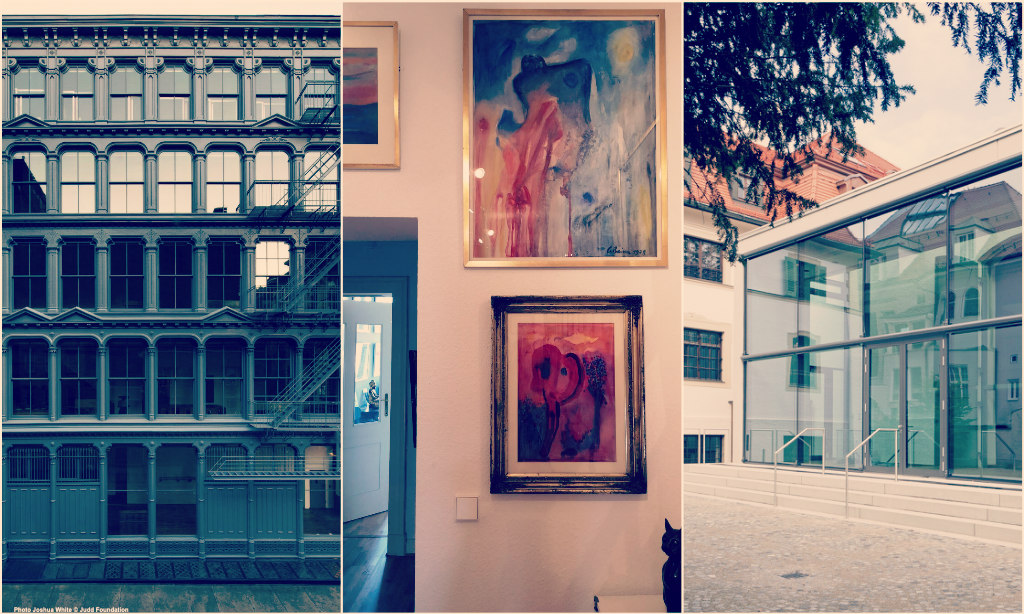
Step into the homes of writers, artists, and thinkers where discussions and debates nested democracy in our cities—and be part of today’s conversations at these historic locations
Cycling thrives in Tokyo without wide lanes, but that unique system is now at risk—and a grassroots group is fighting to preserve it
How grassroots groups are preserving Hong Kong’s neon signs in an era of urban homogenization
How Poet Laureate Trapeta B. Mayson is weaving poetry into Philadelphia’s mental health landscape to heal from gun violence
From the rumors embedded in its site, Museum Brandhorst links local memory to urgent global debates on military power and empire
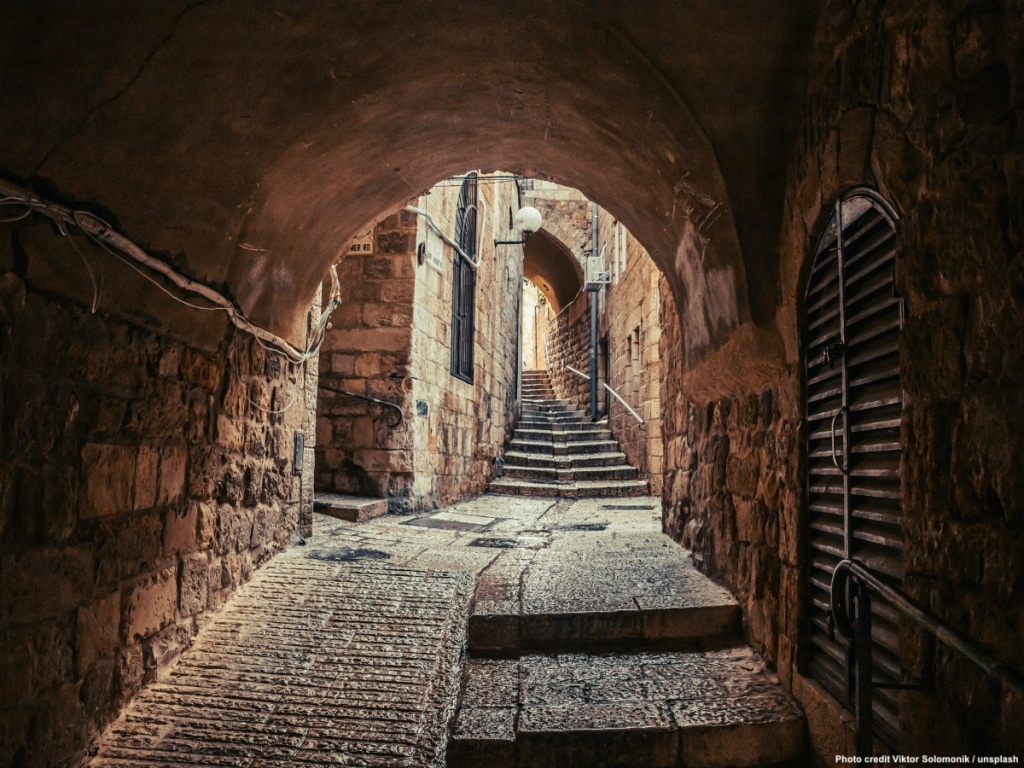
Two years ago, I moved from Europe to Bethlehem, to support artists to stay and create — essential to resilience here in the West Bank
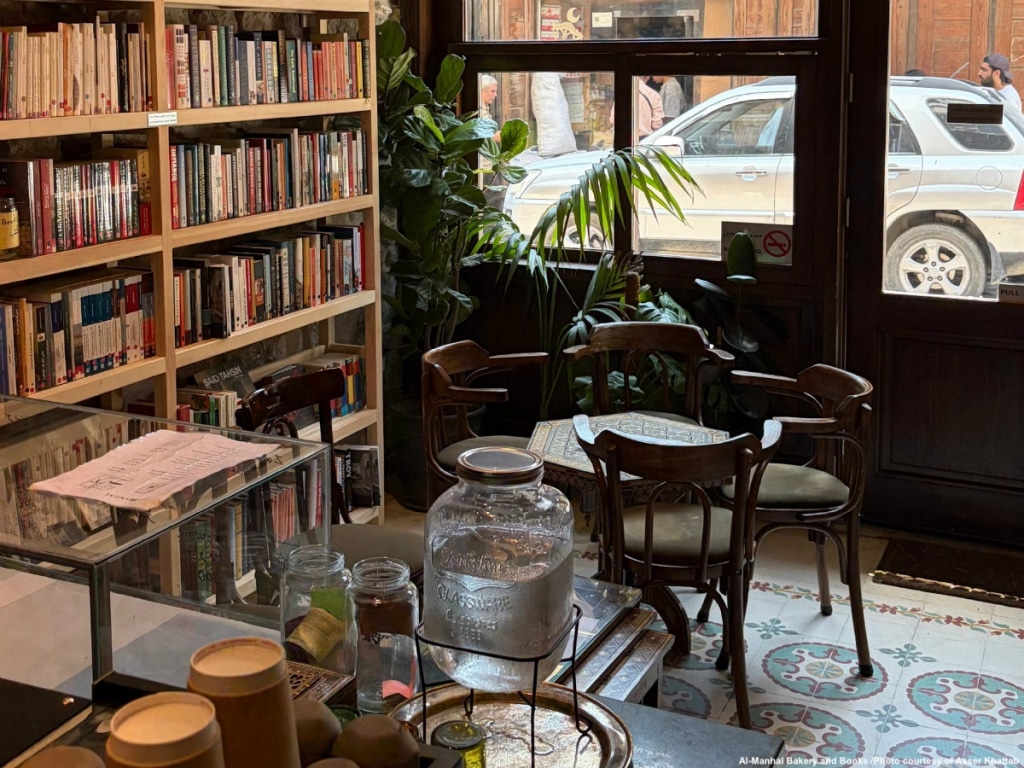
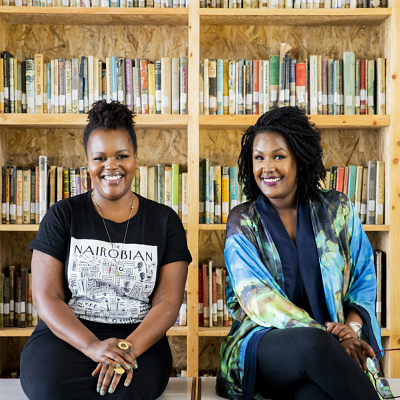
“Libraries are more than repositories. They are sites of heritage and action.”
“As those spaces were filling up with people, it was evident that people wanted to see another type of comedy.”
“Religious property is actually working against our religious objectives.”
“Through my art, I am trying to transmit a positive message to other women to wage war with nonviolent alternatives.”
“A settler right winged Israeli and a Palestinian, right?”
“When hotels subcontract chambermaids, they pay them around forty percent less than the regular hourly salary.”
“While cycling, I realized that mostly only whites were using bikes.”
“It’s the result of the pressure that has been put on banks to clean up their portfolio.”
“There are lots of talents in the community. Let’s show everybody what we’ve got.”
“Well I thought, if you make a house pretty, that’s public art.”