

This article is part of a series on climate and sustainability in partnership with 1014.
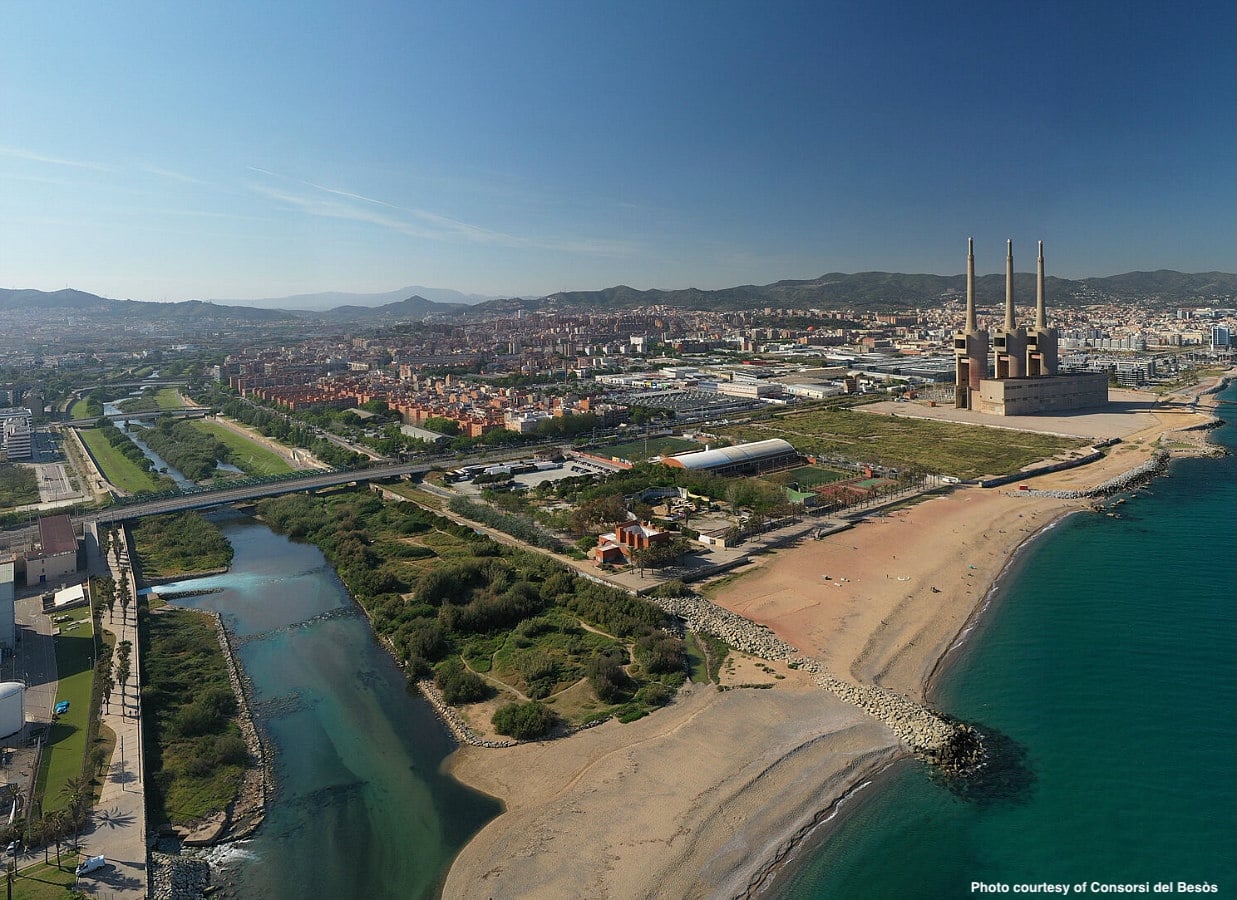
At the beginning of this year, tennis champion Naomi Osaka captivated the crowd at the Australian Open when a butterfly refused to leave her during a match. She took the creature to safety on the sidelines after it landed on her leg, then flew back to her nose. Perhaps it was this non-tennis moment she needed to calm her nerves down to make it through the tournament and win the singles title. The hard courts of Melbourne Park are located between train tracks, a river, and the main road, maybe also a pollination highway?
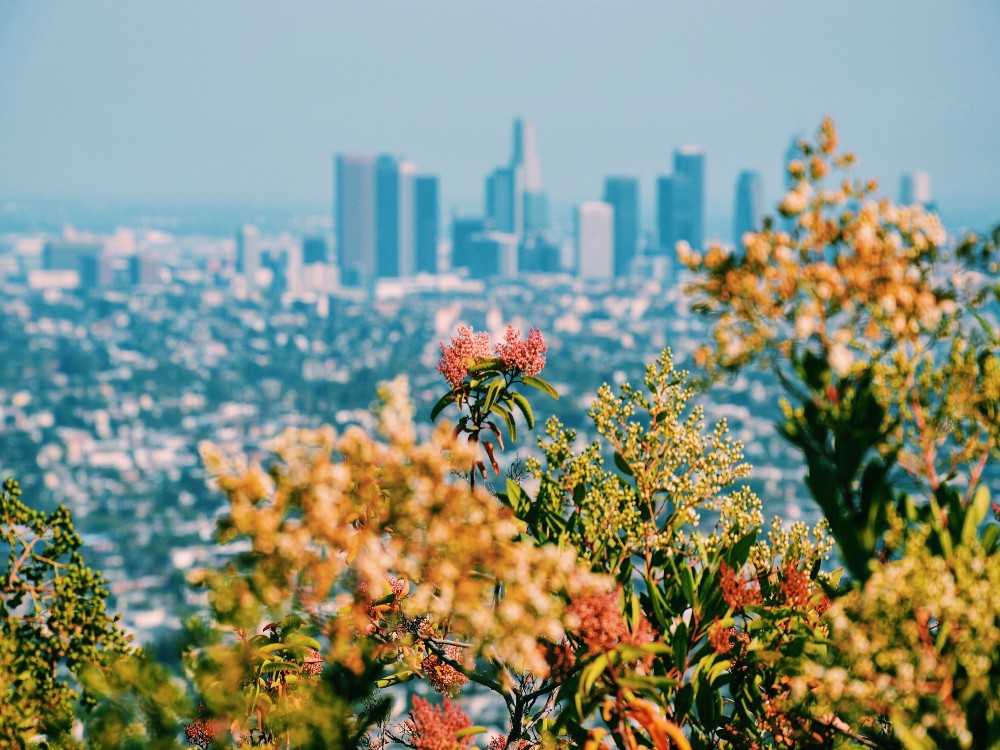
‘Cities are undervalued as pollinator habitats because there is concrete and turf everywhere. However, they also have abundant residential green spaces which can be transformed into a functional habitat for native species,’ explains Jode Roberts. He is the brainchild behind the Butterflyway Project, which started in Toronto and has now expanded to hundreds of communities, with the support of the leading environmental foundation, David Suzuki, the voice of science in Canada.
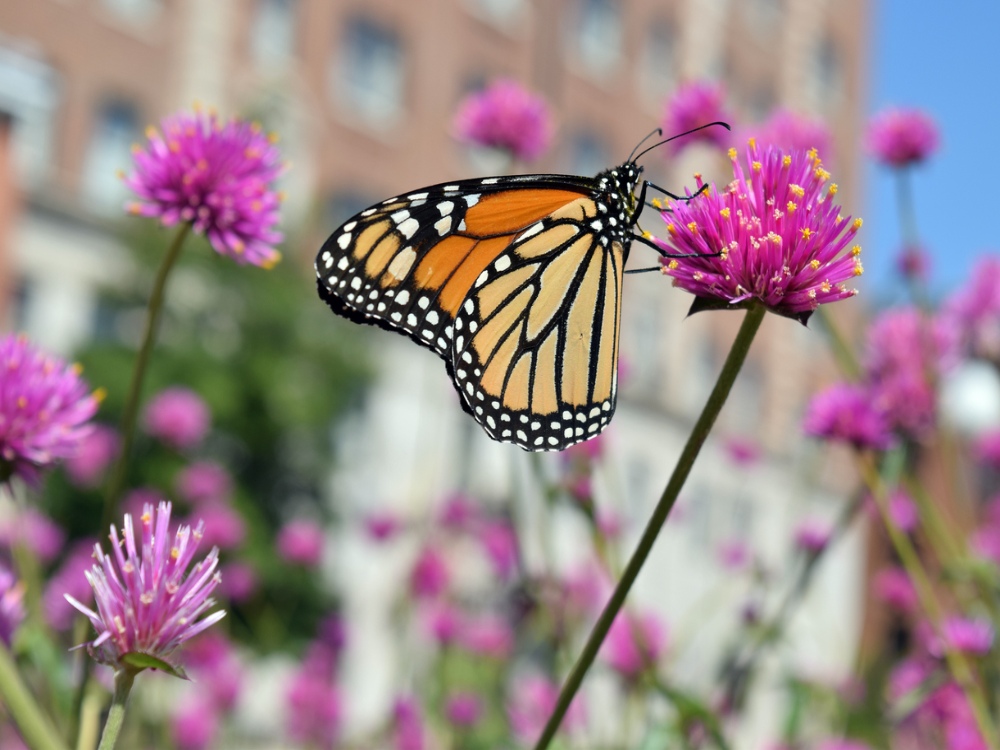
Inspired by US journalist Richard Louv, who coined the phrase Nature-Deficit Disorder to describe the human costs of alienation from nature, Roberts was willing to try something in his neighbourhood to reconnect locals with nature on the belief that, by doing so, they would be more likely to support it in the long term. He was following conservation efforts that could have a lasting, effective impact on stopping the alarming decline in monarch butterfly populations from one billion to 35 million in recent years.
Backyards and balconies are part of the natural infrastructure of cities
Yet it was from Douglas Talamy, author of ‘Bringing Nature Home’, that Roberts took the idea of a homegrown national park, suggesting the potential for changes in urban backyards to support pollination highways through cities. Perhaps it would help change the trajectory of the monarchs’ decline.
We were excited to move the conversation about ecosystem services towards urban backyards, lawns, and balconies. People have forgotten the ecological impact that plants provide, and what we plant in our neighbourhoods really matters, explains Roberts.
With this in mind, Roberts started mobilizing his neighbourhood in Toronto to add pollinator patches with native wildflowers in yards, balconies, streets, and parks to support butterflies and other bee species. By 2017, this neighbour-led movement had already created butterfly-friendly corridors in three Toronto neighbourhoods and expanded to five other Canadian cities.
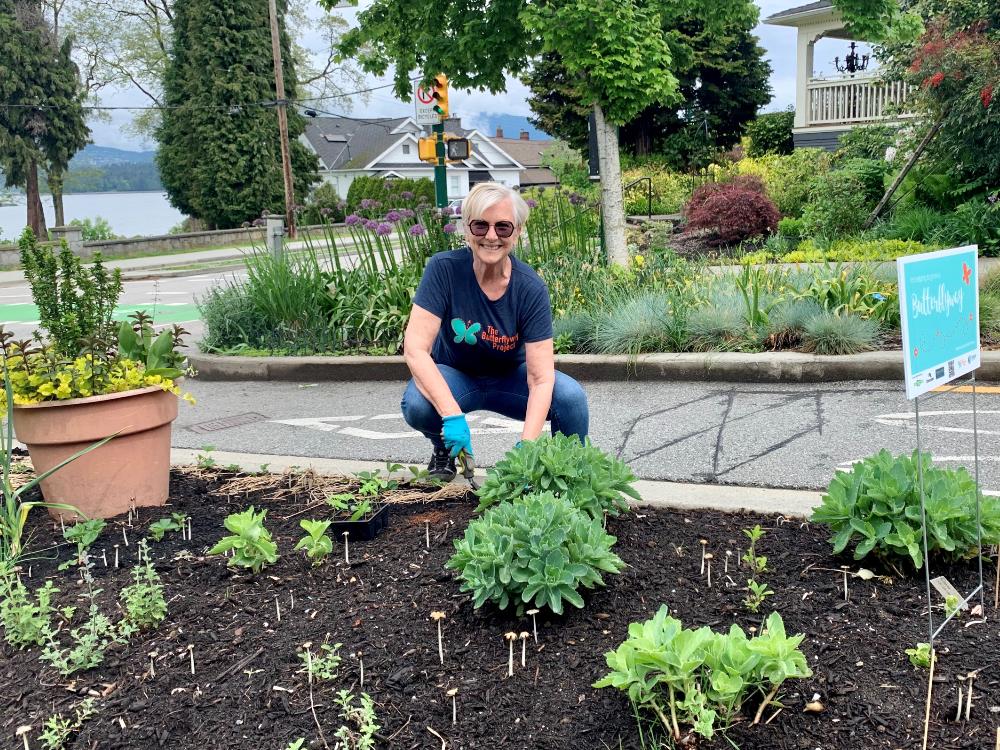
To sustain a lasting cause, the Butterflyway Project began recruiting volunteers called Butterflyway Rangers, committed to learning, connecting with neighbours, schools, and community groups, and growing pollination highways in their cities.
The pandemic also spurred the number of gardeners to bloom and helped expand the project to more than 400 communities, with 1,200 rangers throughout the country. This was a perfect opportunity for conservationists like Roberts to present the project.
What better place to get your hands dirty than in your own backyard, have a real connection with the soil, and understand the ecological impact of the plants in your lawn? Then, monarch butterflies offer an inspiring migration story, to the point that it is the third or fourth generation that will arrive at the destination after a long journey. Monarchs spend the winter in the state of Michoacán, Mexico, and then fly all the way up to Canada through Texas and the Midwestern states.
Bringing nature to our cities
This complicated life cycle is subjected to a bunch of stresses, crossing cities and farmlands where pesticides kill them and their caterpillars. Likewise, native milkweeds, an unfortunate name for a vital plant to monarchs for food and reproduction, are also disappearing due to humans’ obsessive tendency to cut lawns to the ground, use non-native, thirsty lawns, and grow plants predominantly for aesthetic reasons.

However, if you mow the grass less frequently and grow native plants, explains Roberts, it will allow flowers to blossom more naturally with less fertilizer and without excessive watering.
The Butterflyway Project is disrupting the homogenization of Canada’s urban landscape through simple practices as part of the Homegrown National Park Project vision by the Suzuki Foundation. They are also calling on Canadians to become Beebnb hosts — like Airbnb hosts for wild bees and other beneficial critters. As Butterflyway Rangers, Beebnb hosts will pledge to provide essential amenities, such as gardens filled with native wildflowers, plentiful water sources, and sunny patches for basking, while choosing not to use harmful chemicals in their yards.
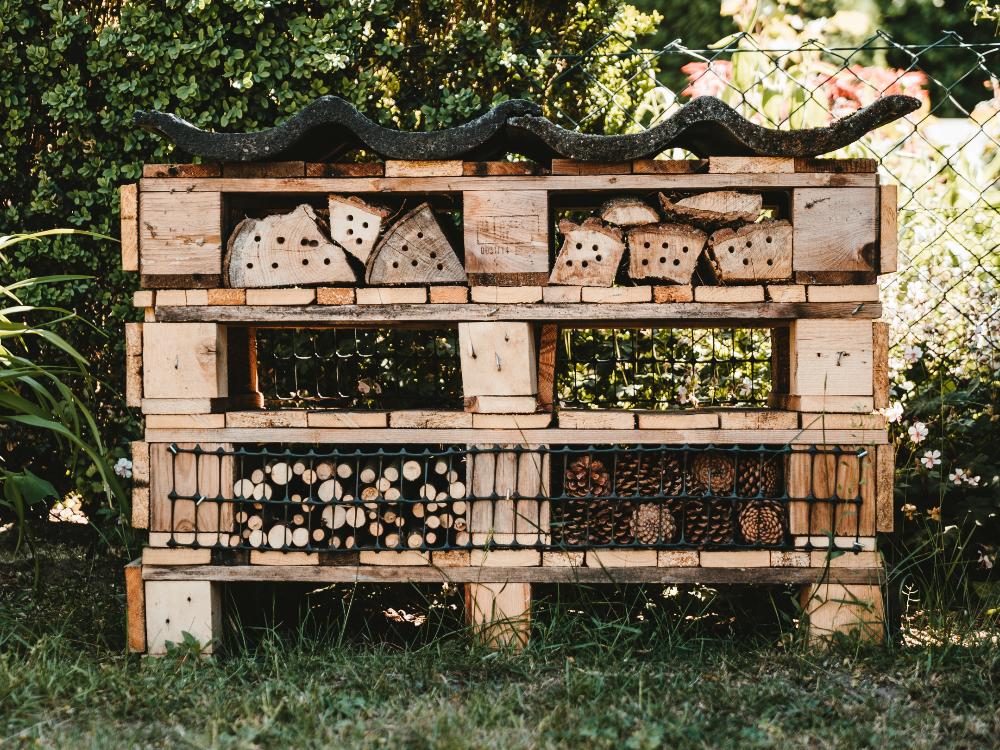
Similarly, some European cities, like Amsterdam and Oslo, have implemented initiatives to protect endangered bees, which are essential to food production, including pollination highways filled with flowers and green roofs. Last year, the European Commission issued ‘A guide for pollinator-friendly cities’ with a focus on good practices and recommendations for decision-makers and policymakers.
Decelerating the disconnection with nature
But the success of the Butterflyway Project has shown that empowering a small group of residents can make a big difference. It has got people actively observing the natural world around us, and it has unified neighbours, sharing comments and experiences from west to east across Canada.
Last week, The Economist reported how garden-loving Britons have fallen in love with artificial grass for lawns. This is tragic. For Roberts, it is key to connect people with nature to achieve a lasting effect from man-made pollination highways in cities. Nature really grounds us; it is a human instinct. Regulating what people do in their backyards would be wrong.
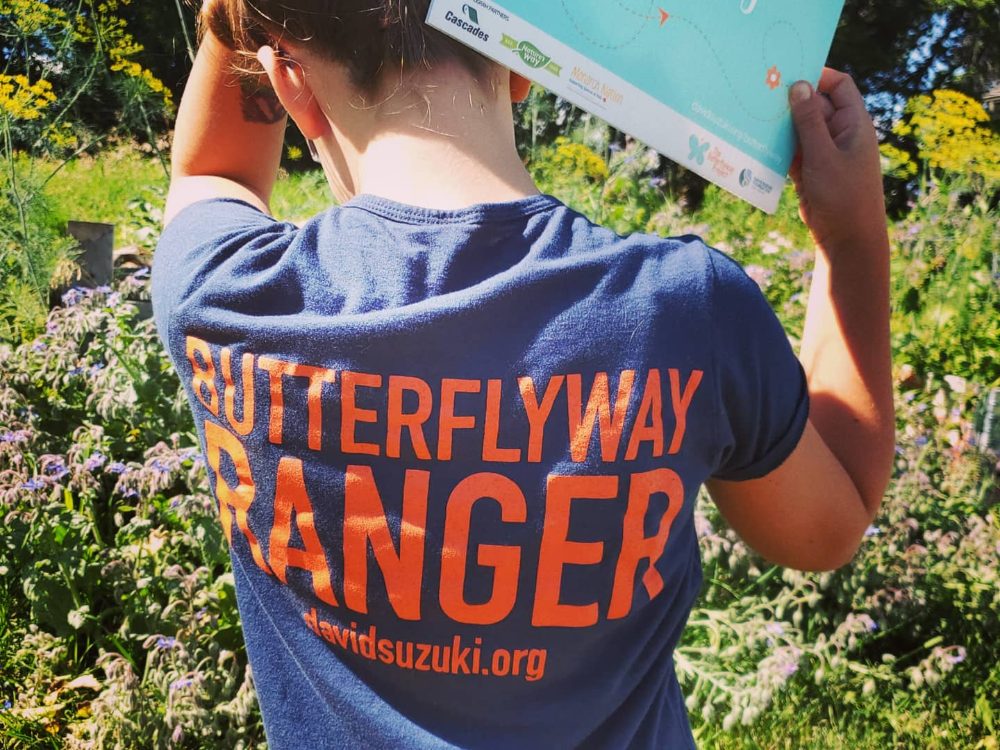
Photo courtesy of The Butterflyway ProjectIn 2019, the organization Farfalle in ToUr initiated a collaboration among the city of Turin, the University, and a Mental Health Centre in the district of Mirafiori Sud to transform urban areas adjacent to mental health care facilities into ecosystems and habitats for pollinator insects. Mental health patients have been actively engaged in monitoring butterflies and bees visiting this new greenery. Scientists have proven that spending time in nature has a restorative effect on people.
Months later, after the butterfly encounter at the tennis court, Naomi Osaka made headlines again for pulling out of the French Open due to mental health concerns. Maybe a butterfly moment could be good again. It is time to see nature for what it really is: our most valuable green infrastructure, healing us and our cities.