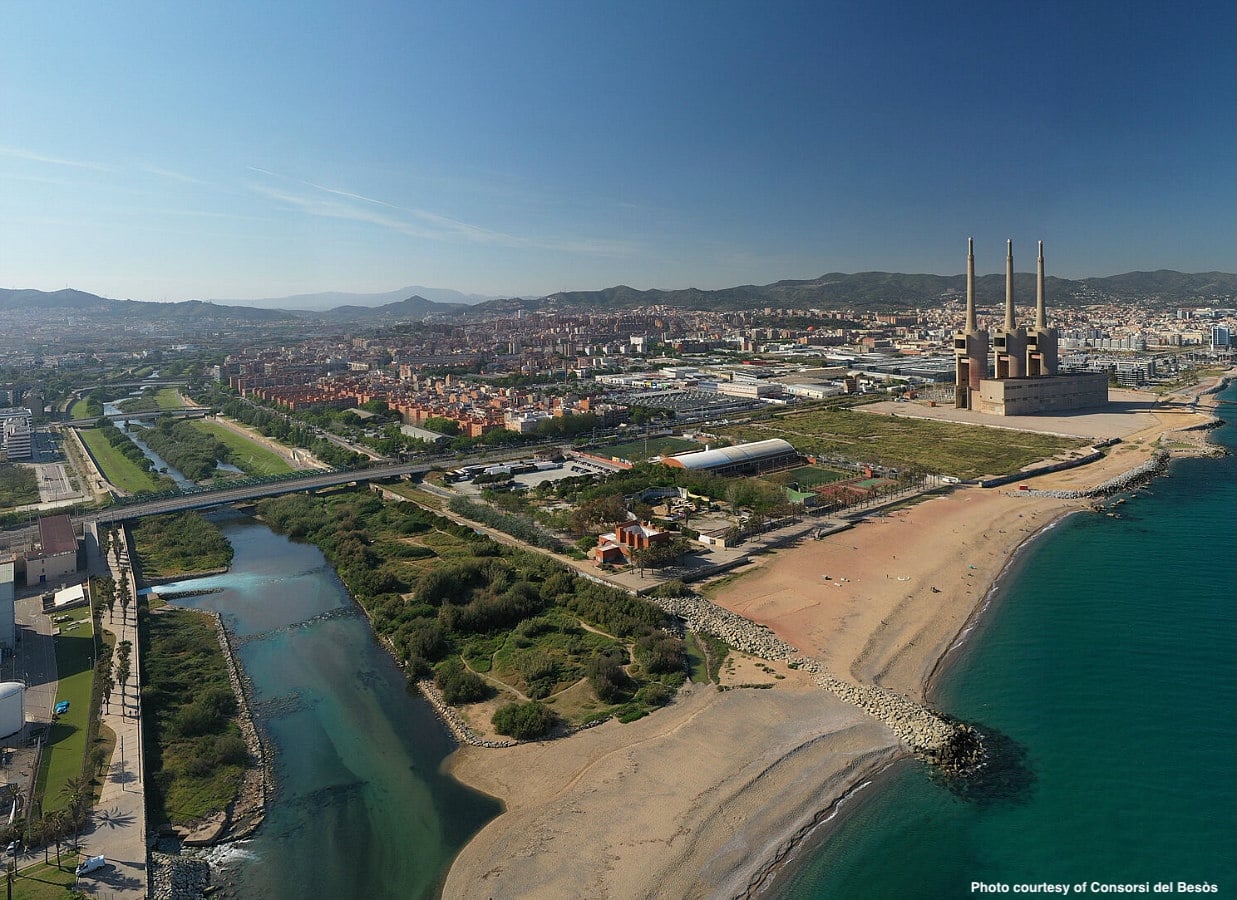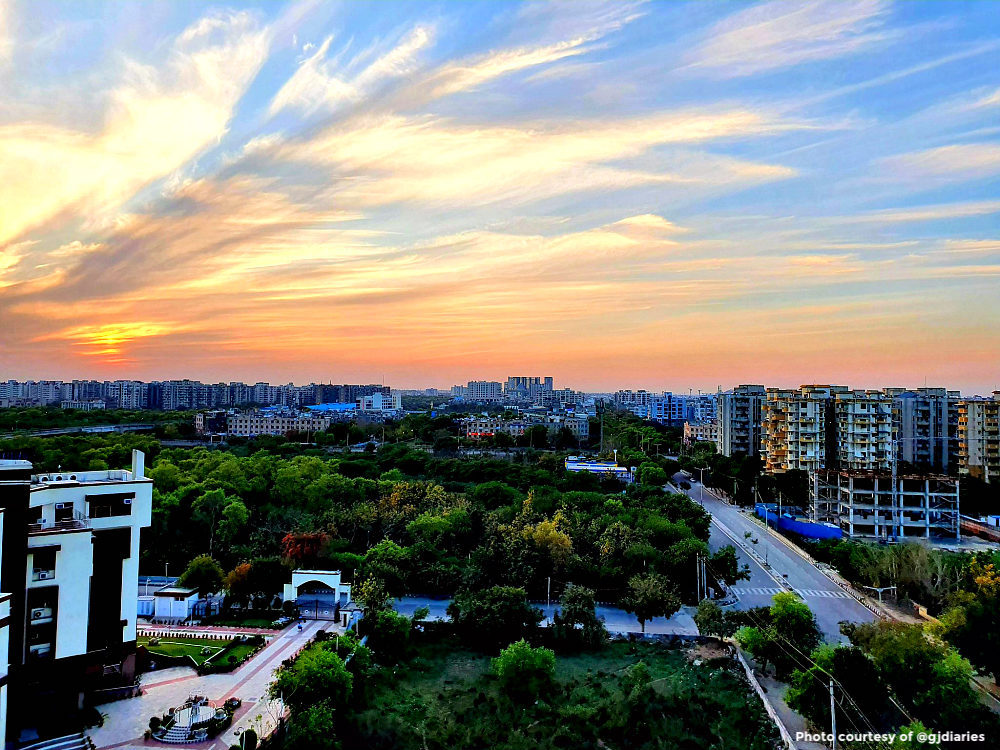

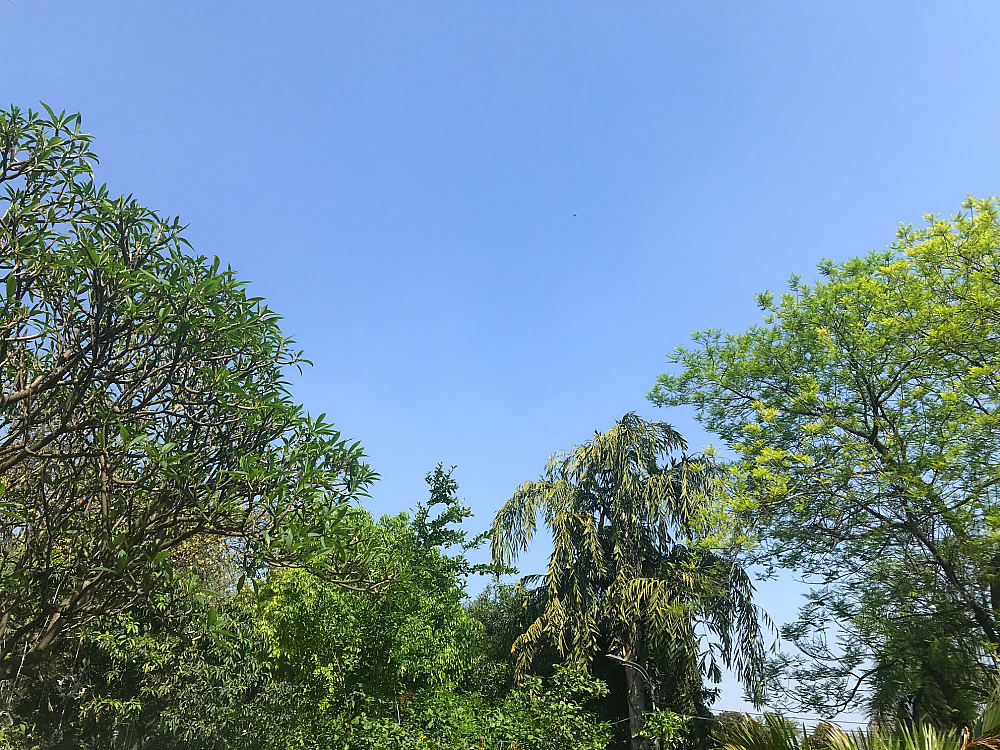
Photos of blue skies in Indian cities have inundated social media networks. Where you once saw cities shrouded in thick, unhealthy smog, now you can even watch spectacular views of mountains on the horizon. The lockdown due to Covid-19 has drastically reduced air pollution, but foremost, it has also opened the eyes of citizens who had forgotten their blue skies. Meanwhile, activist group Care for Air is trying to gain momentum in its mission to make the voices of campaigners and citizen advocates heard among oblivious citizens in Delhi about the dangers of pollution and build on a democratic demand for clean air at the government level.
‘In Delhi every newborn baby is a smoker from day one’, says Jyoti Pande Lavakare, journalist and co-founder of non-profit Care for Air. These are hard but truthful words to explain how air pollution affects the individual health of Delhi’s residents.
The organization she has co-founded works on bringing awareness of the negative effects of air pollution and advocates for clean air in Delhi for all.
People panic about Covid-19 because it has immediate effects on health, as people get sick directly from being infected by the coronavirus. The challenge with air pollution, though, is that its health effects and the harm it causes are gradual, making it difficult for people to understand the consequences for their health, explains Lavakare.
“I never wanted to become an activist. It was not part of my dreams to become a clean air evangelist, but what makes me care the most about air pollution was that it was affecting my family’s health.” Lavakare is a writer and columnist with a Master’s in Economics, who used to write for and work with Dow Jones Newswires, with stories published in The Wall Street Journal and The Financial Times, among others.
She lived in the US for a period while her husband worked in Palo Alto as an engineer, before moving back to India in 2009. ‘Even then, my awareness wasn’t immediate, but gradual. I guess I was in denial, like so many others. For the first time, I became aware of the problem of air pollution in Delhi because I was back with two young kids, and as a mother, you see things differently.
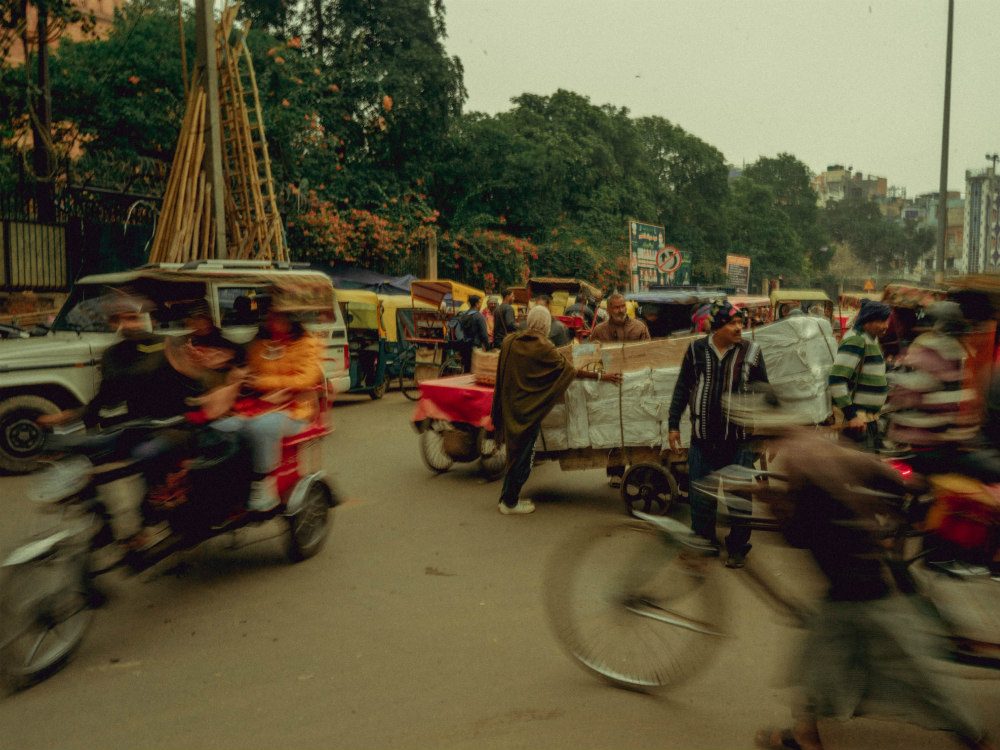
Often, toxic particles in the air of Delhi are at 50 times the level recommended by the World Health Organization
The main sources of emissions are vehicles, illegal crop stubble burning from neighbouring states, trash burning, brick kilns, and 12+ coal- and gas-fired power plants in Greater Delhi, all of which play a major role in making the city’s air so hazardous to human health. Delhi’s air has extremely high levels of particulate pollution (PM10 and PM2.5) and gaseous pollution (ozone, NOx, Sox).
Lavakare began researching air pollution and educating herself about it. She used her position as a two-term President of the PTA of Sanskriti School to launch Care for Air’s school awareness program about hazardous air quality and its effects on their health.
‘Change begins in your backyard. Home, school, and communities that we are a part of. From composting your own waste to teaching neighbors to do the same. From making presentations at our own children’s schools to others. We started with the low-hanging fruit.’ This is how Care for Air started as a volunteer-driven movement by expat and Indian parents and professionals in 2014.
Asthma among children has become commonplace, and most households need inhalers and nebulisers for the young and elderly to get through the highly polluted winter months in northern India.
We have shown in research that children are more affected by pollution than adults because their lungs are not fully developed.
“We set up a transport committee which did an excellent job of rationalising bus routes, encouraging more children to join school buses. The committee collaborated with the school administration and managed to double the number of buses and children, reducing the daily cars outside the school gates.”
By 2017, she had found other like-minded parents, mostly mothers who had mobilized under the #MyRightToBreathe hashtag and joined forces with them to continue working with schools, devising a plan to train the trainers, something they continue to do. Care for Air has also joined hands with several other air pollution organisations through the ‘Clean Air Collective’, an unbranded umbrella under which many activists and campaigners work.
In December 2017, Care for Air got its official registration as a non-profit organization. But by the time it came through, Lavakare’s mother was dying in the hospital. “It was horrifying the casualness with which doctors – attending pulmonologists, oncologists – linked the cause of my mother’s lung cancer directly to air pollution, unsurprised it had remained undetected until it reached this terminal stage.”
The human cost of air pollution in cities
“By this time, I knew so much about the problem of air pollution, had read so much research about its health harm, but ironically never realised it was striking in my own backyard, my own mother,” says Lavakare.
In her pain, she began writing her forthcoming book, Breathing Here is Injurious to Your Health, about the human cost of air pollution. “I wanted to make some meaning out of her death, so that others would realise that an invisible killer is stalking our loved ones and us.” It is not about more statistics, as people get bored with air pollution numbers. It rather humanizes the problem; it can happen to all of us. The book is not sentimental, but it has emotion. I will be published by Hachette India in September 2020, after being postponed due to Covid-19.
In the meantime, Lavakare has added an entirely new chapter, Living with Air Pollution in a Post-Corona World, revealing the links between Coronavirus and air pollution based on scientific research.
So, yes, reducing air pollution could be another way to reduce the spread of Covid-19, because not only are people living with poor air quality more susceptible to this disease, but airborne particulate matter can also facilitate the spread of the virus.
“If genetics is the loaded gun, air pollution pulls the trigger on many diseases,” states she in her book.
Nowadays, Care for Air comprises an impressive multidisciplinary team of members who practice and lead in many fields, including journalism, business, education, medicine, public health, atmospheric science, and legal practice. Their qualifications range from a Master’s degree in Global Environmental Change from King’s College London to qualifications at the Massachusetts Institute of Technology.
Some of these members are driven by personal stories like Dr. Gita Sinha, whose then 9-year-old daughter required emergency room care for sudden-onset asthma attacks. She is a consultant in medical education and public health, dividing her time between the US and India. Like another Care for Air co-founder, Abhishek Bhartia, she also became an environmental migrant, with no choice but to move away, seeking clean air to protect her children.
Orders to clean up the air often come from the courts, responding to pleas by NGOs
In 2017, another founding member of Care for Air, lawyer Gopal Sankaranarayanan, brought to the Supreme Court the plea of three toddlers, through their fathers, for their fundamental right to breathe clean air in Delhi. Among other points, they asked for a ban on fireworks during Diwali. Months later, the Supreme Court of India restricted the sale or distribution and later banned the manufacturing of high-emission firecrackers, which is now the law. Only low-emission, green crackers are allowed to be burst during very limited times throughout the year.
Just before winter sets in, the Indian festival of Diwali takes place, and people burst firecrackers to celebrate, adding a heavy load of PM2.5 and a toxic cocktail of chemicals (from the metals used to add colour) to the air. Pollution gets so bad that Delhi’s residents cannot fully enjoy Diwali anymore because of the toxic air that they will breathe in in the subsequent weeks. In addition, at this time of year, farmers illegally burn crop stubble despite a Supreme Court order halting all farm fires.
“We want the government to take the whole concept of clean air in Delhi and beyond very seriously and put the right energy- and climate-related policies in place and enforce their implementation,” demands Lavakare. “Air pollution is a violation of our human rights. We have even filed a petition with the UN Special Rapporteur on human rights and the environment for this violation of our human rights. The air here is not fit to breathe for much of the year. Breathing here is indeed injurious to your health.”
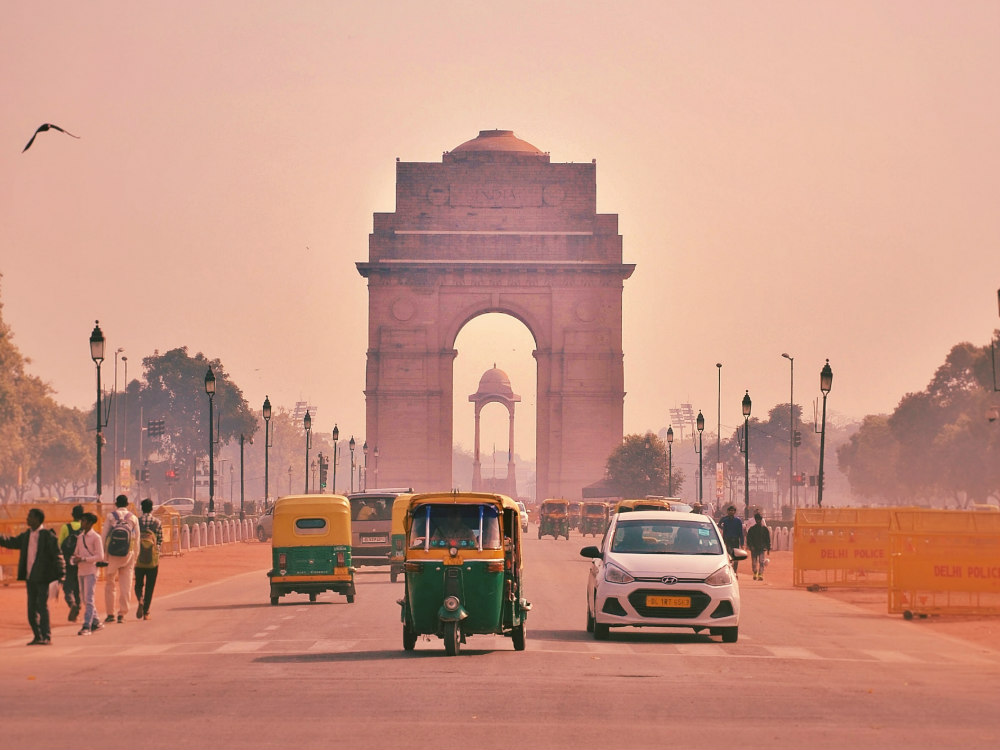
In official buildings, several politicians and bureaucrats keep their office windows closed and run expensive air purifiers. But many schools and households can’t afford to buy them.
Air is the ultimate democratiser. In fact, air pollution is not a rich people’s problem, as politicians like to present it. It affects everyone, and the poor and underprivileged the most.
Lavakare and her fellow activists see clean air as a fundamental right for all citizens and believe in people’s action when the government neglects its role.
“We start at schools, but the biggest challenge is to raise awareness among those people who have to sacrifice their health to survive daily, basically. How can you tell people not to burn wood, biomass, or garbage if they need to get warm in winter and there are no alternatives available to them? Also, farmers may choose to set fire to their fields for expedience, but the smoke affects them, too. This is why we need structural changes in Delhi and beyond, and foremost, the willingness and the intention of the government to implement them.”
“The government in Delhi should prioritise clean air as a national mission, as they did with toilets in India. Moreover, if the government unexpectedly managed to mobilize the entire Indian society to stay in quarantine, it should be able to drive structural change and support companies that follow environmental ethics and prioritize people’s health.” When I was speaking to Jyoti Pande Lavakare on the phone, I was hearing cheerful birds tweeting into our conversation. As citizens get accustomed to their sounds again and to the clean blue skies, it is hoped that Care for Air’s mission is gaining unprecedented momentum, calling for more civic action and demanding residents’ right to breathe clean air in Delhi.