
Dear Reader,
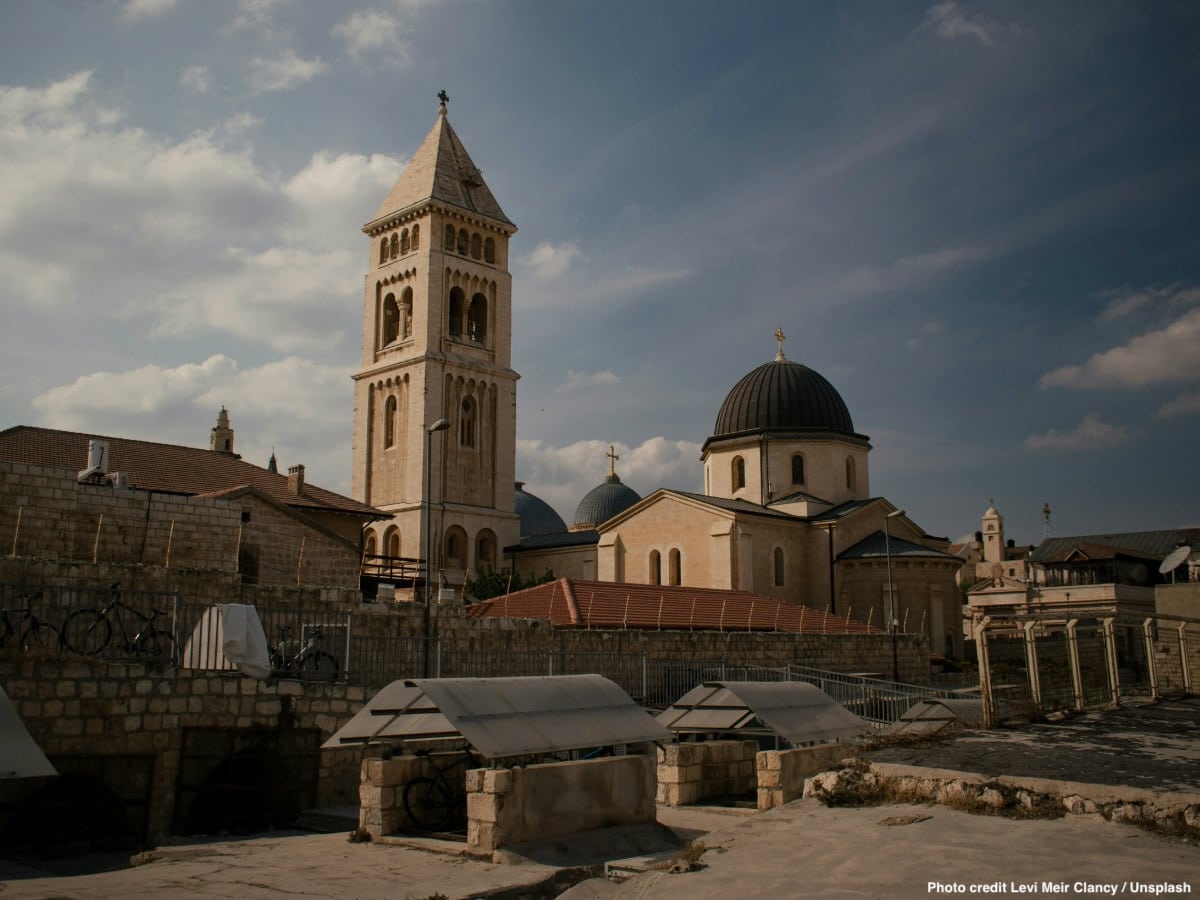
On Easter Sunday, I’m writing to you from the Holy Land. Today marks the Catholic and Protestant Easter, which is a week earlier than the Orthodox Easter Sunday in the place where Jesus was crucified — Jerusalem. It’s the number one day of the year for the Church of the Holy Sepulchre and its Christian congregations, including Palestinian and Armenian local Christians born in the Old City of Jerusalem, where the church was founded in 326 CE.
However, this year, a 90-year-old Armenian Orthodox parish member is not permitted to ring the bell that signifies Easter—an honor he has held for the past 50 years. Instead, the church has no parishioners, and he’s at home, just a few meters away, under the prohibition from entering the church, which applies to the entire world, save for a few leading bishops who were permitted to enter by the Israeli authorities. Meanwhile, Armenian Christians are not realistically able to leave their homes in the Armenian Quarter, due to the historic and unprecedented closure of the Old City of Jerusalem during this holy season.
The Church of the Holy Sepulchre has traditionally hosted a vibrant Easter Sunday congregation, with annual services, prayers, and rites performed at the site of Christ’s resurrection according to almost every Christian sect. Just a few hours ago, Cardinal Pierbattista Pizzaballa, the Latin Patriarch of Jerusalem, presided over the Easter Sunday vigil mass inside the church, behind closed doors with a small group of friars — marking the first time in 1,700 years that Jesus’ believed resurrection site has been without a decent mass.
Let that sink in — while some poignant questions about the security issues go overhead, with rockets, which is the reason that’s being touted by the army for the city’s closures.
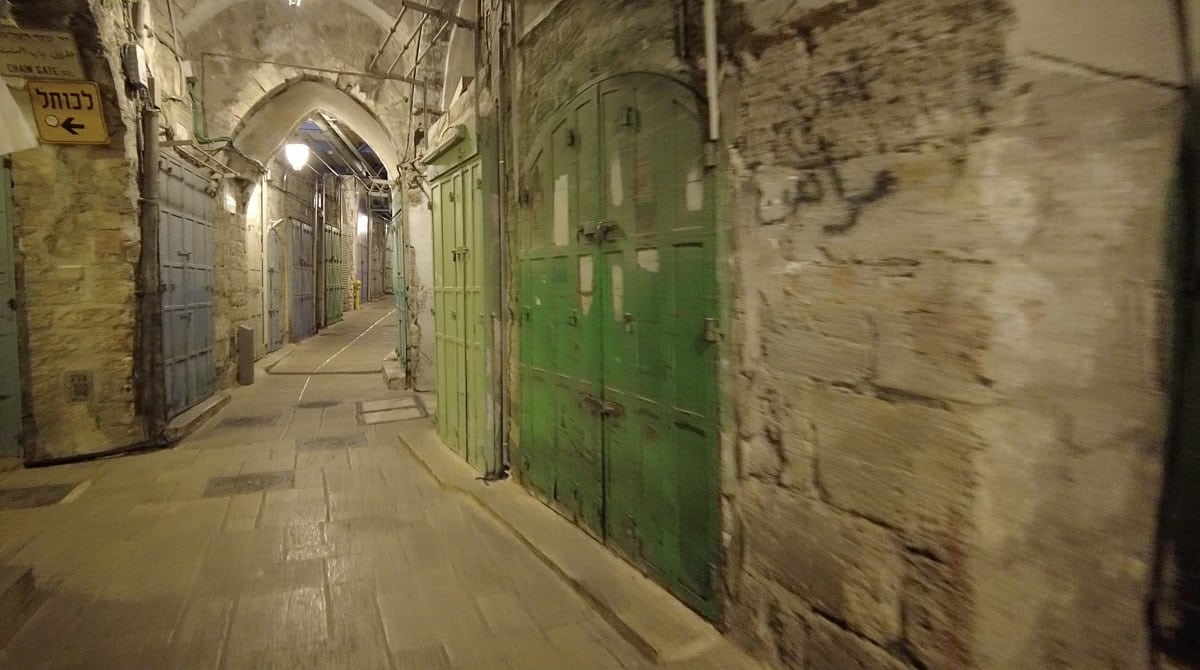
The danger from missiles has also been cited as the reason that the nearby Al-Aqsa Mosque was closed entirely to everyone — including clergy — during the holy Muslim month of Ramadan. Nobody was allowed in, not one Imam. This closure seems an astounding flouting of the Israeli Protection of Holy Places Law of 1967 as well as the Ottoman era ‘Status Quo’ laws, which both guarantee freedom of worship and equal access to the holy sites within Jerusalem’s city walls.
Meanwhile, 50 members of the Kohanim Jewish priestly clan were given access today to perform the annual Passover blessing — yes, on the same day that Christians were denied access to the Church of the Holy Sepulchre, which is a leisurely 10-minute walk from the Western Wall, where the Kohanim pray. Usually, this is a large gathering of hundreds, but this year it was curtailed to only 50. But that’s 50 more than the zero worshippers at Al-Aqsa Mosque for Ramadan.
Recommended Read: An Ordinary Day in the Last Inclusive Space in Jerusalem
Of course, the Western Wall is the Western Wall of the Al-Aqsa compound, that’s what the name refers to, so the proximity to the entirely empty mosque couldn’t be closer. Why is it too dangerous for Muslim prayers to be held in Al-Aqsa, while the Jewish people who are the targets of the missiles are less at risk on the other side of the wall?
None of this makes sense unless you’re aware of the context, and that’s why this new column is starting today: to explain, with everyday examples, what’s going on, for people who aren’t up to speed on the whole Israel-Palestine conundrum. Here on the ground, it’s not a complex puzzle at all, and I’m here to shine a light on these kinds of clear, unequivocal injustices that we are navigating every day of the year, from Easter to Ramadan to Passover.
Come, hold my hand, and I’ll lead you into these inspiring, special ancient streets to meet some of the kindest, most spiritually devoted people you could ever wish to meet, as you learn their family stories, lived experiences, and hopes and dreams for a peaceful, just future.
On Easter Sunday, From Jerusalem with Love,
Afaf