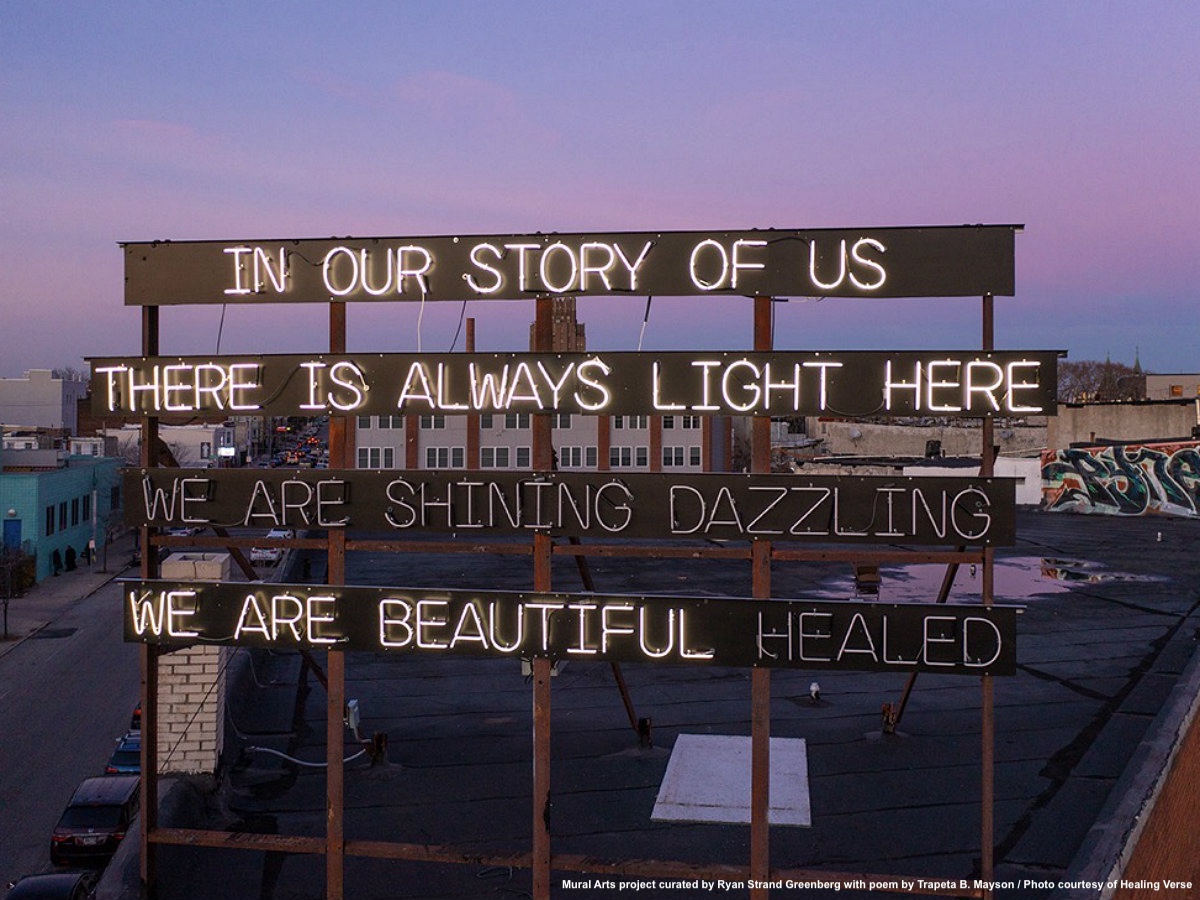
Between Huntingdon and York-Dauphin train stations in Philadelphia, a large neon sign prominently displayed on the rooftop of 2400 Kensington Avenue reads, “In our story of us, there is always light here. We are shining, dazzling, and beautiful; we are healed.”
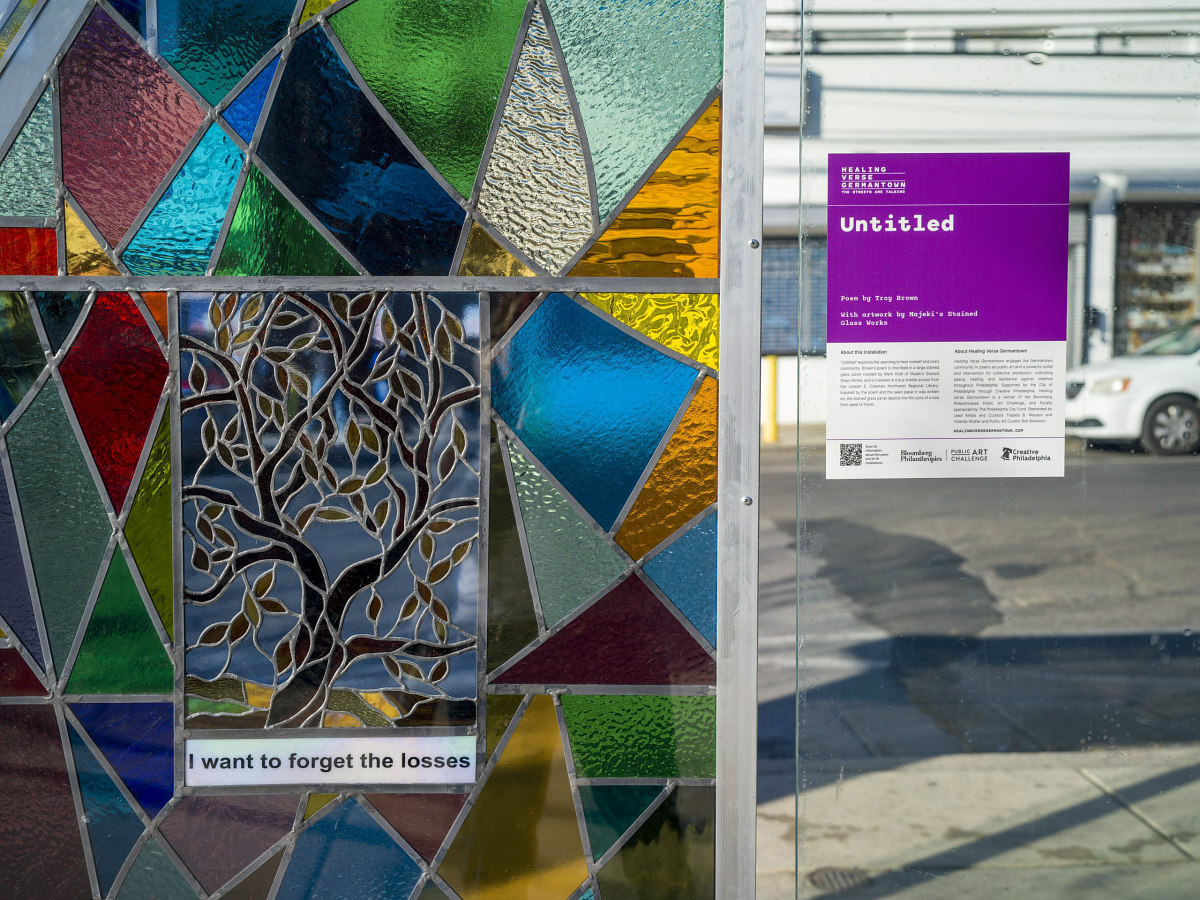
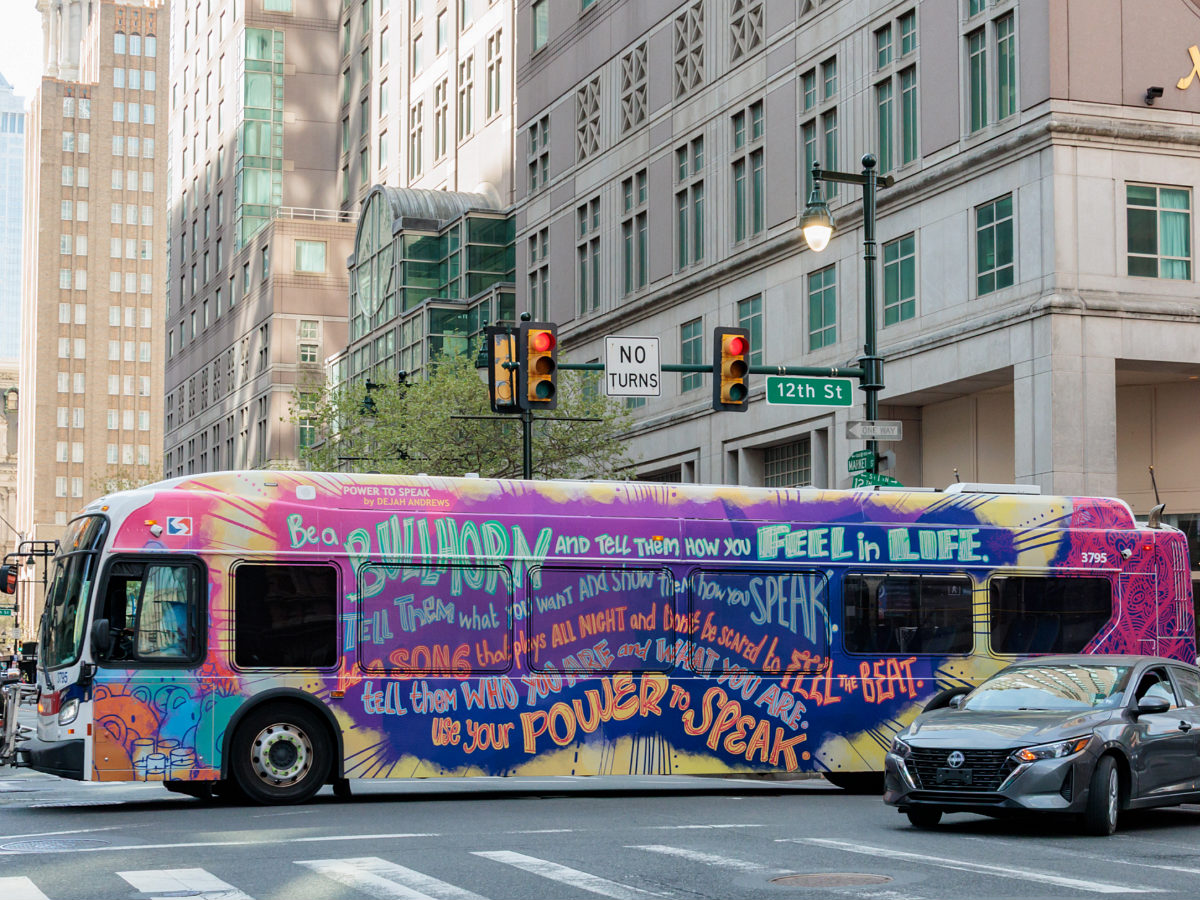
Not far from there, on the other side of the Roosevelt Expressway, in Philadelphia’s northwestern Germantown neighborhood, where gun violence has taken a deep toll, verses are displayed on walls, bus shelters, and sidewalks. The authors of these poems are from the community; many of them had never written poetry before, until award-winning poet and licensed clinical social worker, Trapeta B. Mayson, brought poetry into their lives.
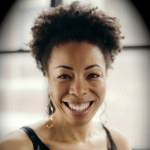
Mayson arrived in Philadelphia in 1975 from Monrovia, Liberia. Barely 8 years old, she and her siblings joined their parents living in Germantown. Her father was a day laborer at the steel mills, and her mother was a caregiver; both did their best to raise their children, but it wasn’t always easy. “It was an adjustment, for sure,” Mayson told me on a recent spring evening. Yet, she credits Germantown’s strengths for giving her a solid foundation.
Founded by the Quakers in the 17th century, Germantown is considered the birthplace of the anti-slavery movement in the United States. With the second wave of the Great Migration came a shift in its demographics. “White flight” and illegal discriminatory practices perpetrated by local, state, and federal entities gutted the community of its affluence and resources. Today, this neighborhood is predominantly African-American, with a mix of artists, educators, and blue-collar workers. For Mayson, Germantown has always been family-oriented. “My childhood gave me a unique identity with a distinct Liberian, African, and Black American experience,” she reckoned.
Mayson started writing poetry in the fifth grade, but it wasn’t until high school that she began to take journaling and writing poetry seriously. At the age of 15, her mother had developed a mental illness that made her absent from Mayson’s life for over 15 years. Poetry became her means of survival. “I was processing my mother’s mental illness and the ache of her absence. I wrote a lot of sad poems,” she recalled. Poetry became a way for Mayson to express her feelings about what was happening around her.
In December 2019, when Mayson was appointed Philadelphia’s poet laureate, she knew exactly what she wanted to do: “make poetry fun and exciting, but also use it as a way to address mental health.” She had already been leading poetry workshops in schools, libraries, correctional facilities, and prisons as a teaching artist. She had spent years in the community as a non-profit executive and clinical social worker.
In January 2021, Mayson launched the Healing Verse Poetry Line in Philadelphia, a toll-free 24/7 phone line (1-855-POEMRX2) that anyone can call to listen to a 90-second poem and learn about mental health resources. So she gathered 51 poets from around the country, and each recorded a poem to be featured for one week.
When users call the phone line, they hear three options: dial 1 to hear that week’s featured healing poem in the voice of the poet; dial 2 for upcoming Healing Verse events; and dial 3 to access mental health resources in the city.
For full disclosure, I read one of my poems for the Healing Verse Poetry line in early 2024. Later that year, Mayson and co-lead artists, Yolanda Wisher and Rob Blockson, expanded the project to include poetry workshops in Germantown. Despite the sense of community and belonging that exists, Germantown has seen its fair share of gun violence, reporting some of the highest numbers of gun violence cases (though not necessarily homicides) in Philadelphia. “We wanted healing to take place here. We wanted to give a gift to our community.”
From November 2024 to June 2026, Healing Verse Germantown’s poetry workshops have been co-led by Mayson and Wisher, while Mayson continues to curate poems for the phone line. The Healing Verse Poetry Line currently features poems written by Germantown residents during 10 community poetry workshops or submitted through an open call for poetry.
Anyone who calls the 24-hour hotline will hear new poems weekly that are written and recited by community members impacted by gun violence, as well as access gun violence prevention and mental health resources in Philadelphia.
Recommended Read: ‘Bad Ballet’ Makes Baltimore a Hub of Healing for Survivors of Violence
However, the Healing Verse project was initially met with skepticism from local residents. “We received calls asking what poetry had to do with something as serious as gun violence. And I get it.” She notes that the Healing Verse Poetry wasn’t created to solve the gun violence problem in Philadelphia; rather, it was to help deal with its impact on individual and collective mental health. It’s why the workshops are public. Mayson and her team specifically reach out to all members of the community, from the young and elderly to entrepreneurs and first responders. And she emphasized that the healing aspect of the poem is what makes the poetry hotline powerful.
The Healing Verse Poetry Line has grown since its early days and is changing Philadelphia, much like poetry transformed Mayson’s life. “For many, [a public offering like this] is their entry point to poetry.”
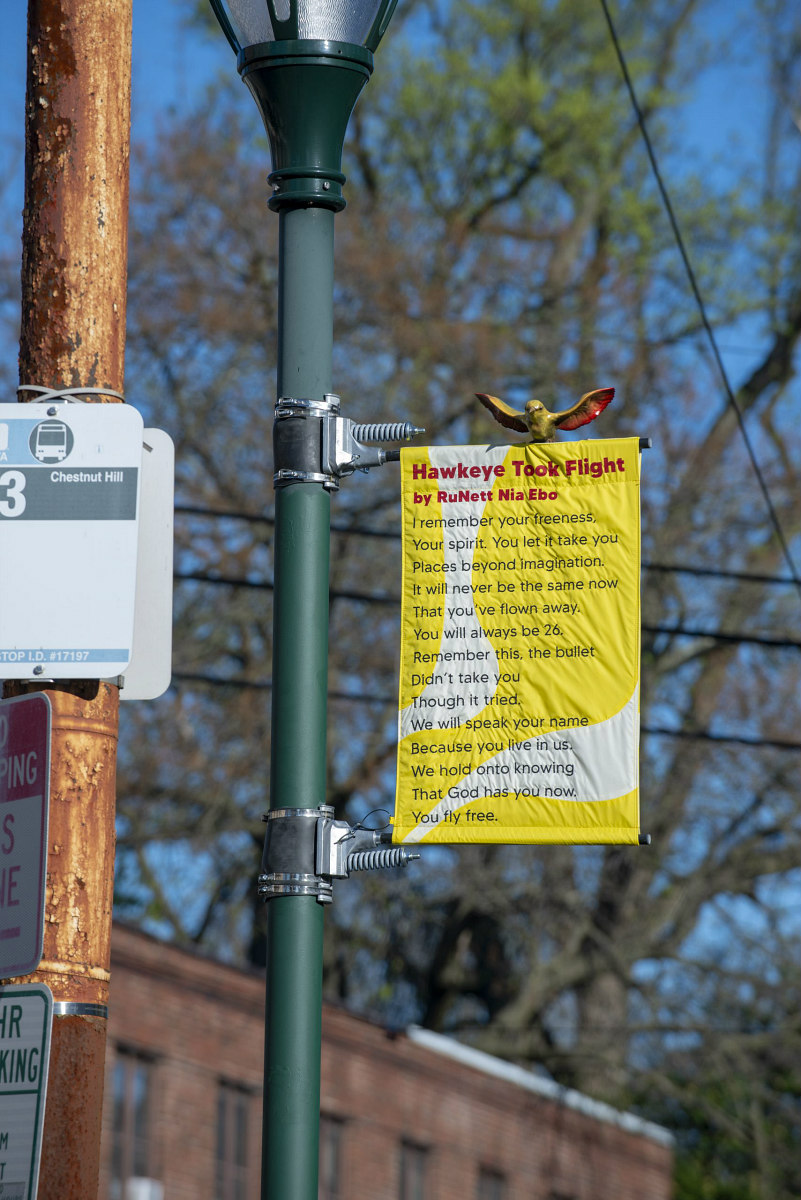
The impact of loss, grief, and shock can’t be underestimated. “We were tasked with addressing the perceived lack of connection between gun violence and poetry through awareness, reflection, and healing. That you can ‘pick up a pen or pick up a gun’ is simplistic. There’s also an impact and the experience of grief and loss. The act of writing and sharing the poem can be a bridge to healing,” added Mayson, who has published two poetry collections.
In addition, Mayson is working on an immersive, multidisciplinary poetry project called “Dinner with Dinah” about a woman named Dinah who resided in Germantown as both enslaved and free. “In the place where Dinah sat, ate, and communed with family, participants will be immersed in Dinah’s whole life, her husband, her daughter, and their way of being.” Funded by Art Philly and The William Penn Foundation, this one-night-only event will be held on June 6 as part of the What Now: 2026 Festival in Philadelphia. And, it is already sold out. “With all that happens to us and through us in this life,” she said, “we have pain, we have joy. The key is to come out of it with our humanity intact.”
Changing the physical and mental landscape of Philadelphia through poetry is beyond what Mayson expected. She stated, “[Healing Verse] has accomplished way more than I could have imagined. People are seeing the benefit of poetry in healing.” She hopes that the essential tenets of the Healing Verse Poetry Line continue no matter where it is — that people will have a phone line to call into for a healing poem and resources, public poetry workshops to attend, and public spaces where their words can be shared and experienced. “This has always been about our mental health and how we cope with our realities. Poetry has no limitations. It is for everyone.”
The public art installation Healing Verse Germantown: The Streets Are Talking will be on view in Philadelphia through June 6, 2026. The Healing Verse Poetry Line (1-855-POEMRX2 / 1-855-763-6792) remains available 24 hours a day, 7 days a week, from anywhere in the world.