
Listen to the audio version of this article (generated by AI).
Step into the homes of writers, artists, and thinkers where discussions and debates nested democracy in our cities—and be part of today’s conversations at these historic locations.
This article is part of the series Inside the City’s Best Open Houses.
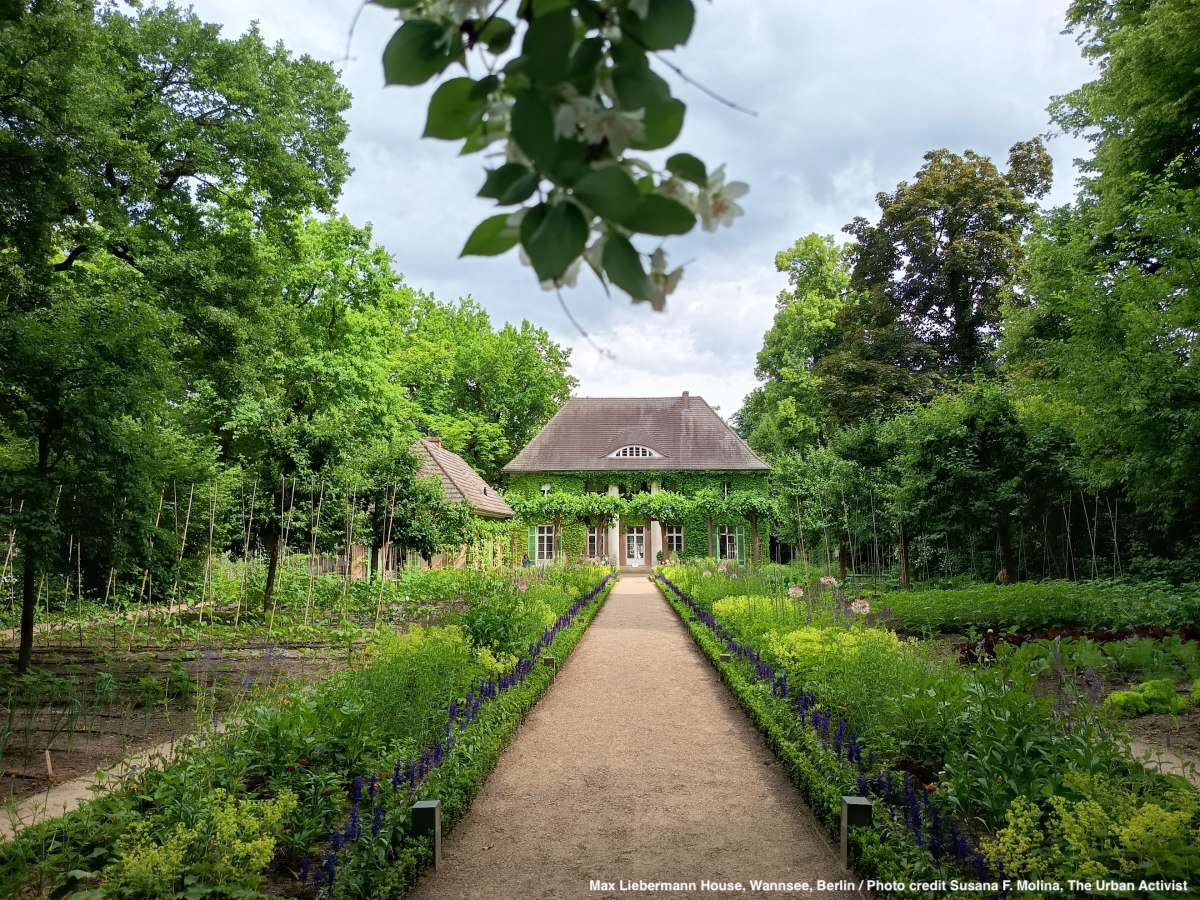
Standing on the terrace of the Max Liebermann House, it is difficult to discern where the gardens end and the paintings begin. More than a century ago, this German impressionist transformed his lakeside summer retreat on the outskirts of Berlin into a beloved subject for his colorful, light-filled artworks. Today, visitors wander through a landscape reconstructed from the very canvases that made it famous—a rare place where art has not merely recorded history but helped rebuild it after the artist’s connection to the house was forgotten.
In the mid-19th century, the Berlin banker Wilhelm Conrad commissioned the Berlin Director of Horticulture, Gustav Meyer, to design an overall plan for a villa colony in the shape of a hippodrome on Lake Wannsee in the outskirts of Berlin. It was named the Alsen Colony. Max Lieberman built a house in the colony where he spent every summer with his family from May through September from 1910 to draw strength and find inspiration for nearly 30 years.
Whenever Max Liebermann was expecting visitors, he would always greet them personally at the gate’s house—usually dressed in a light linen suit and hat—and the first thing he’d do was show them his garden while his dachshunds darted around. There are numerous anecdotes about renowned people of the time who visited the house. He even hosted TV crews for his 80th birthday.
However, life in the villa colony changed dramatically after the Nazi takeover in January 1933, which cemented an extremely threatening development in Germany. As a Jewish artist, Max Liebermann had his art removed from German museums and withdrew from public life, spending much of his remaining time at the Wannsee villa until he died in 1935. His house was one of the Jewish properties of the Alsen Colony that were “Aryanized” by the Nazis. His widow, Martha Liebermann, was forced to sell the summer house, along with everything inside, to the Reich Postal Service for far below its value, which used it as a recreation center. Their daughter Käthe Liebermann fled with her family to the US in 1938, and Martha Liebermann committed suicide in 1943 before her imminent deportation to Theresienstadt.
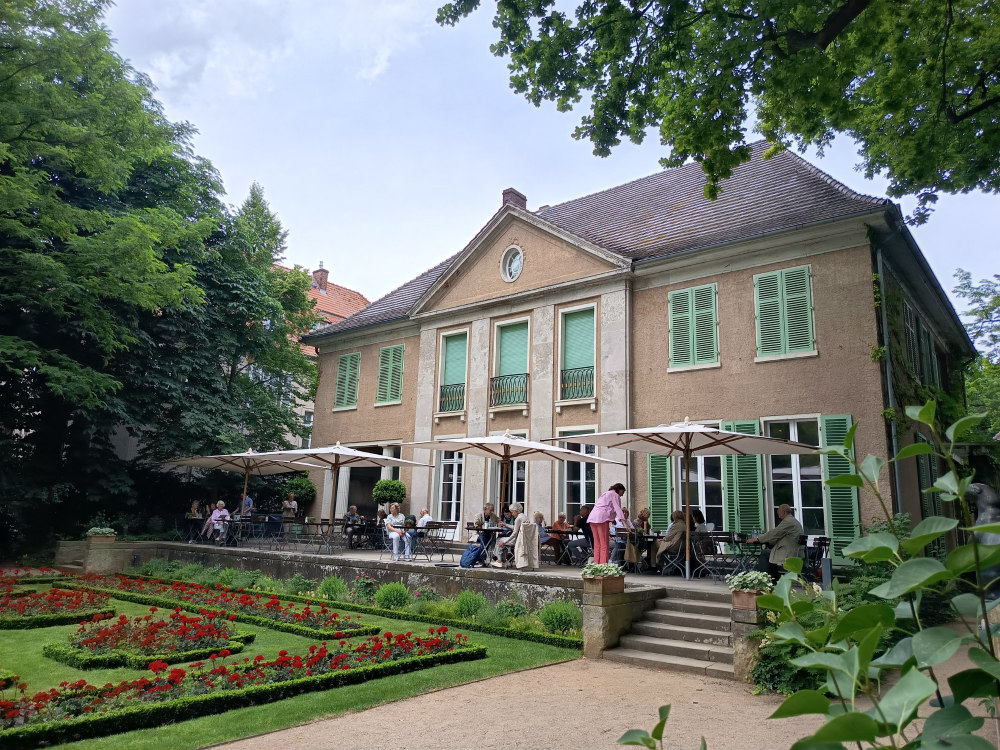
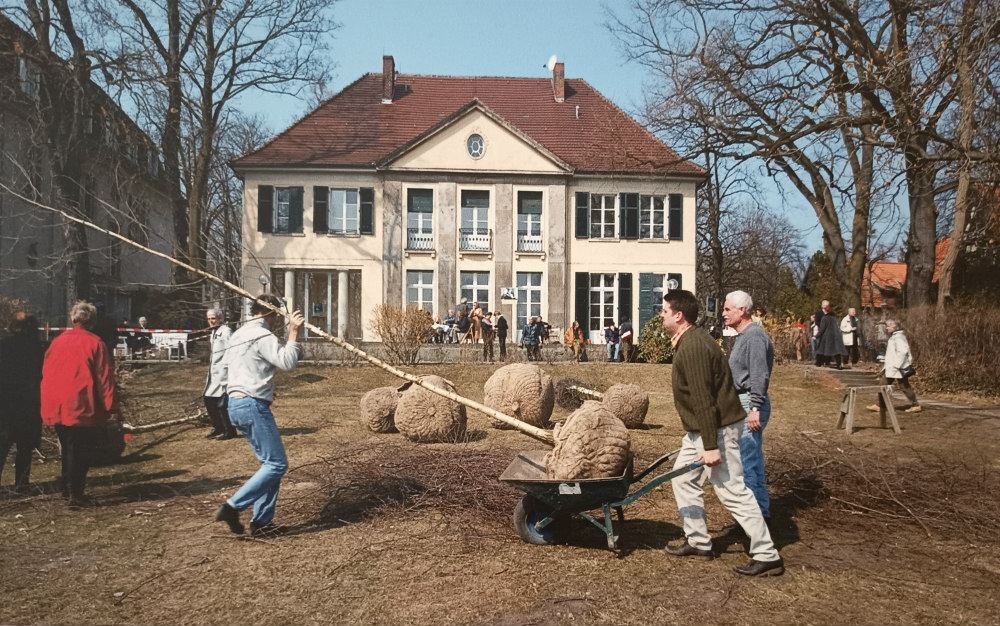
After World War II, the villa was restituted to Käthe Liebermann. However, soon after her death, her daughter—Max Liebermann’s granddaughter—sold the property to the City of Berlin, which turned it into a hospital. As West Berlin expanded its leisure infrastructure to counterbalance its isolation, the lakeside house found an unlikely new purpose as the headquarters of a diving club. By the mid-1990s, Berliners were entirely divorced from the origins of the house.
The house sits only a short distance from the Villa Marlier/Minoux, where the Wannsee Conference of senior Nazi officials took place to coordinate plans for the deportation and murder of Europe’s Jews in 1942. This proximity is striking. While the House of the Wannsee Conference became a memorial and educational center that opened to the public in 1992, the Max Liebermann house was lost to history.
Three years later, in 1995, 15 citizens came together to found the non-profit organization Max Liebermann Society Berlin e.V. They aimed to reclaim the house, with most members being local residents, some having personal ties to the Liebermann family. All were determined to preserve the legacy of a man who had once been one of Wannsee’s most celebrated neighbors and had made significant contributions to Berlin’s cultural scene.
After eleven years of advocacy, the Max Liebermann House opened to the public in 2006. “It wasn’t always easy to raise awareness about this cultural site,” says its director, Evelyn Wöldicke, as we sat in one of the house’s rooms on a warm day under a cobbled Berliner sky.
This year, the house celebrates the 20th anniversary of its opening. As they prepare for the upcoming event, a summer festival on July 25 open to everyone, Tilman von Stockhausen, Chairman of the board of the Max Liebermann Society, summarizes their civic engagement and efforts: “To this day, the Liebermann Villa thrives on this commitment. Patrons, foundations, and around 120 volunteers have ensured its operation for 20 years. The fact that such a place has existed and grown without any basic state funding is extraordinary and fills us with pride and gratitude.” Since its founding, the house has grown from 15 to 1,200 members.
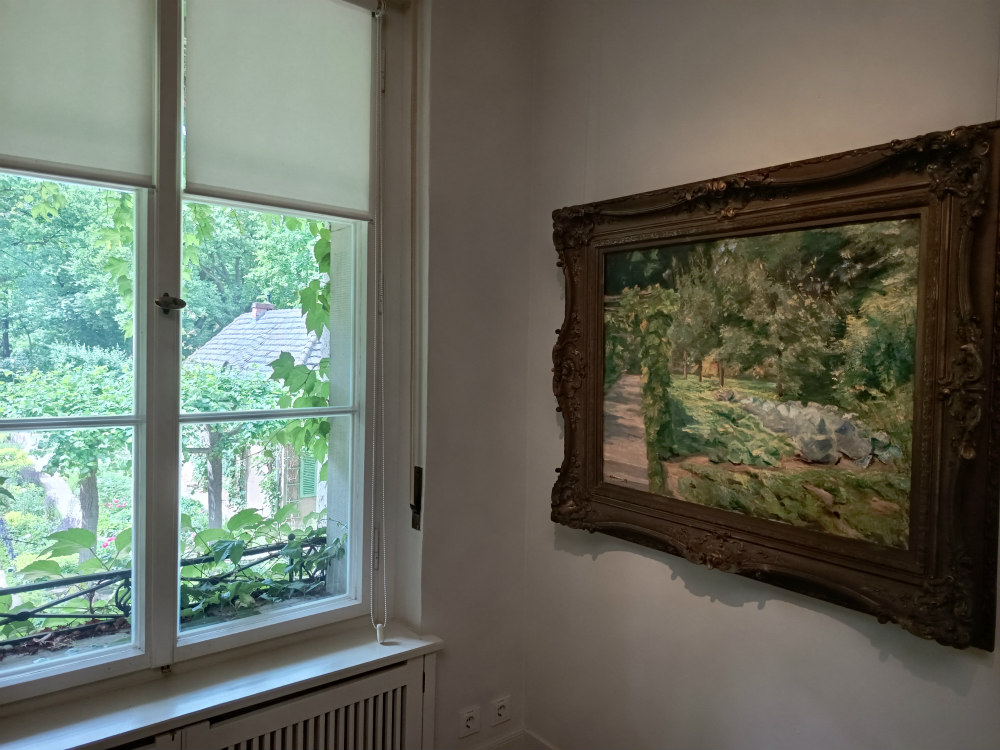
The first floor of the house is a museum that showcases a selection of the over 200 colorful paintings created in its garden, with large studio windows designed to maximize natural light, from which visitors can admire the flower beds. Two rooms on the ground floor are dedicated to the house’s history and demonstrate how the restoration team relied heavily on Liebermann’s artworks as archival documents to reconstruct the garden, which is now a protected historic site. “We didn’t have planting plans—no diagrams showing how the beds were planted—but we do have the paintings and shopping lists that indicate which nurseries he purchased from. From those, we know he preferred certain varieties of delphiniums, so we’ve tried to replant exactly those varieties,” explains Wöldicke.
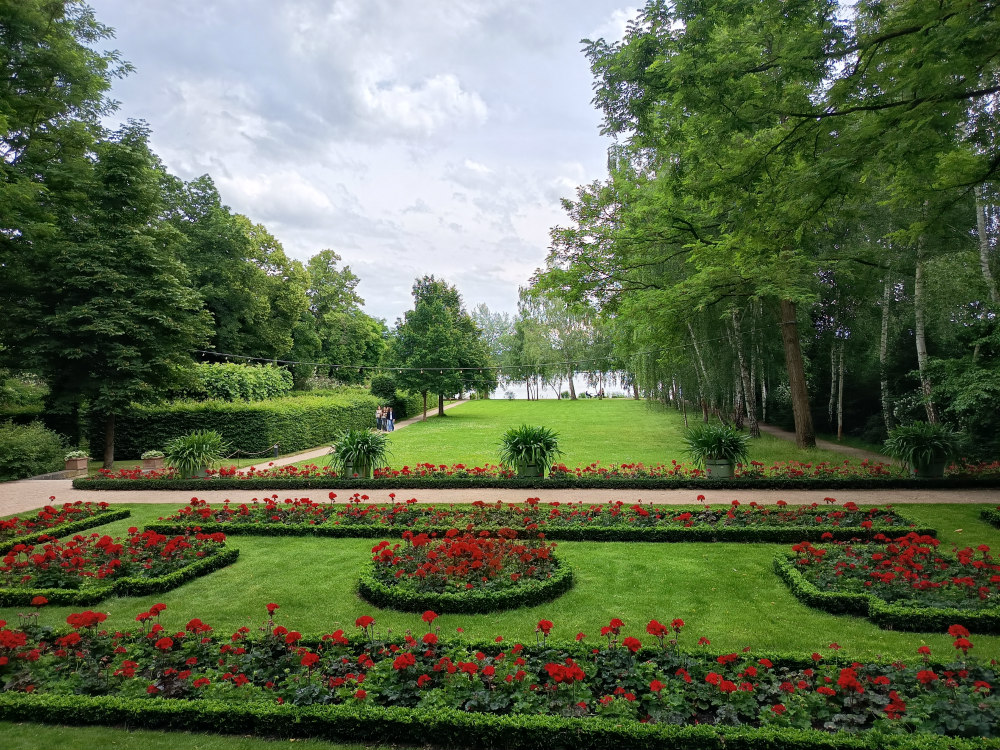
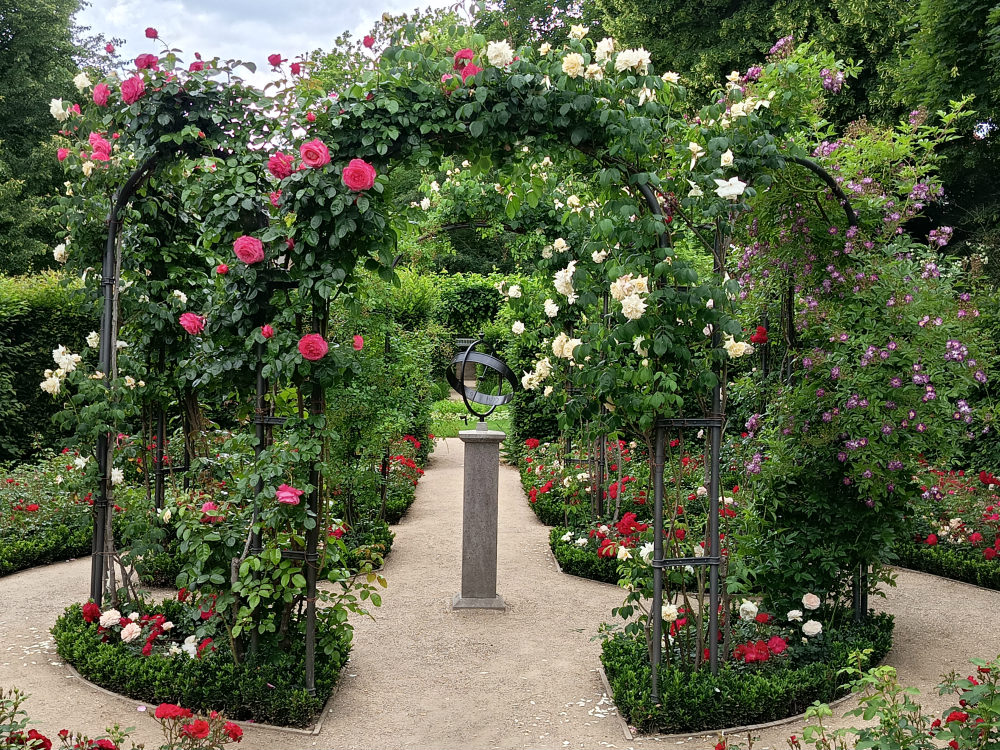
The garden was important to Max Liebermann, as it was designed as an artist’s garden in close collaboration with Alfred Lichtwark, the director of the Hamburger Kunsthalle. In front of the house, which overlooks the lake, the lawn is adorned with several trees arranged in a serpentine pattern. There are numerous spots for relaxation under the trees, near the rose garden, and by the lake. Sitting in these areas, one can understand why this garden served as a retreat for creativity and inspiration. Behind the house, a combination of flower beds and vegetable patches creates a vibrant visual display and offers a feast for the eyes and the palate. Visitors can even purchase seeds of the same flower mix at the shop.
Today, 30 volunteers, supervised by a gardener, take turns caring for the garden. After work, there’s always coffee and cake, providing an opportunity for everyone to connect and chat. Additionally, another 30 volunteers serve as tour guides in the house, while 60 more manage the house’s shop, bringing the total number of volunteers to 120, with a waiting list to join. “It’s not just that people work for us; they’re part of this community. That is an important social aspect of our house,” explains Wöldicke. She further clarifies that anyone, regardless of where they live, can become a member for only 90 € yearly.
At the coffee shop, there is a great selection of pastries and quiches. It’s not a full restaurant, as I overheard the owner mention that they lack one square meter to obtain permission. It’s no secret that German regulations are strict. I shared a laugh with him and another customer as we chatted. I noticed a Star of David pendant around his neck. The house embraces and celebrates Jewish culture and aims to bring Jewish culture closer to the public to address its underrepresentation in Germany. While some historical accounts suggest that Max Liebermann was not particularly religious, the fate of an artist born Jewish waves in the background. In addition to exhibitions of Liebermann’s artwork and painting workshops in the garden, the celebration of Judaism is a major strand of the house’s events. Their offerings range from music events to a festival where Christian and Jewish traditions intertwine.
“Against the backdrop of today’s social tensions and political polarization, it is important not only to research the artist Max Liebermann, but also to make his Jewish heritage visible and to convey it to the present. The Liebermann Villa sees this as its central mission. Because cultural heritage does not arise on its own, it must be desired, supported, and secured for the long term,” states Wöldicke.
Then there’s the “Wannsee After Work.” “This isn’t about teaching or imparting knowledge—it’s simply a way for people to come together and enjoy themselves,” Wöldicke explains. It’s a blend of a guided tour and conversation. The tour guides provide information and are available to answer questions, but the conversations can flow freely afterward. “It’s a format that gives people time to chat and exchange ideas. There’s a big tea table, and people really enjoy it because it fosters a sense of community.”
In addition, Wöldicke explains that the house has begun to forge closer ties with the House of the Wannsee Conference, with the goal of coordinating educational programs with them in the future. “We’re not quite there yet, but that would simply be a good goal. It’s 500 meters away, where they [the Nazis] planned the systematic destruction of Europe’s potential virtues,” she says. Today, the Max Liebermann House stands as a testament to the power of civic action and public dialogue in one of Germany’s most historically loaded places.