
Listen to the audio version of this article (generated by AI).
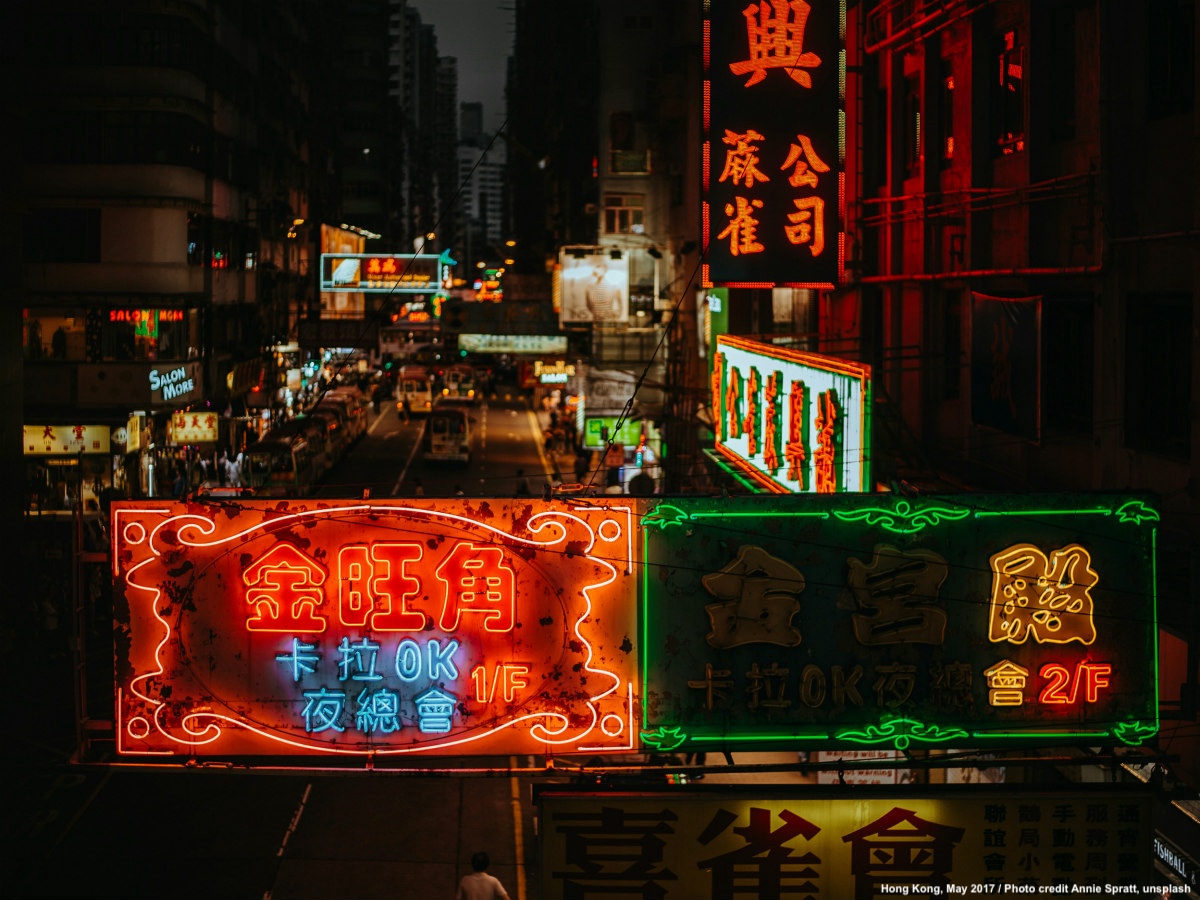
On a jam-packed street in Hong Kong, dubbed the “Neon Signs Corner,” dozens of colorful signs illuminate the dark landscape in green and red hues, like in classic 80s and 90s Hong Kong movies. Made popular by internationally renowned filmmaker Wong Kar-wai in movies such as Chungking Express, Hong Kong’s neon lights are intertwined with the cyberpunk aesthetic it sparked. But just a couple of blocks away from that particular street, the vibrant glow of neon signs begins to fade from the streetscape.
The decline of Hong Kong’s Blade Runner-esque aesthetic is nothing new. In 2011, the Buildings Department implemented the Signboard Control System (SBCS), which mandates that unauthorized signs can be removed unless they meet safety requirements and receive validation. This regulation restricts the size of signs and the places where they can be displayed, primarily due to concerns that aging signs could collapse. As a result, many existing neon signs were deemed illegal overnight. The rise of LED lights in the 2000s further contributed to this decline, making the expensive process of creating and hanging neon signs nearly obsolete. Consequently, the number of neon signs in the city plummeted from an estimated 120,000 in 2011 to fewer than 500 today.
In recent years, however, local grassroots groups have actively resisted the erosion of Hong Kong’s neon legacy amid a global trend of urban homogenization that threatens the uniqueness of cities. Many residents are concerned about losing yet another aspect of Hong Kong’s cultural heritage, as these neon signs have been iconic elements of the city’s visual landscape.
During my last visit to Hong Kong, I visited the Luminous Neon Exhibition, which showcases a collection of illuminated old neon signs, rescued and preserved by the non-profit organization Tetra Neon Exchange. While walking through the exhibition, Giselle Hsu, a spokesperson for Tetra Neon Exchange, explained that they conserve dismantled signs and present them through exhibitions, installations, and public programs, so that Hong Kong’s neon heritage can continue to be experienced and understood by contemporary audiences.
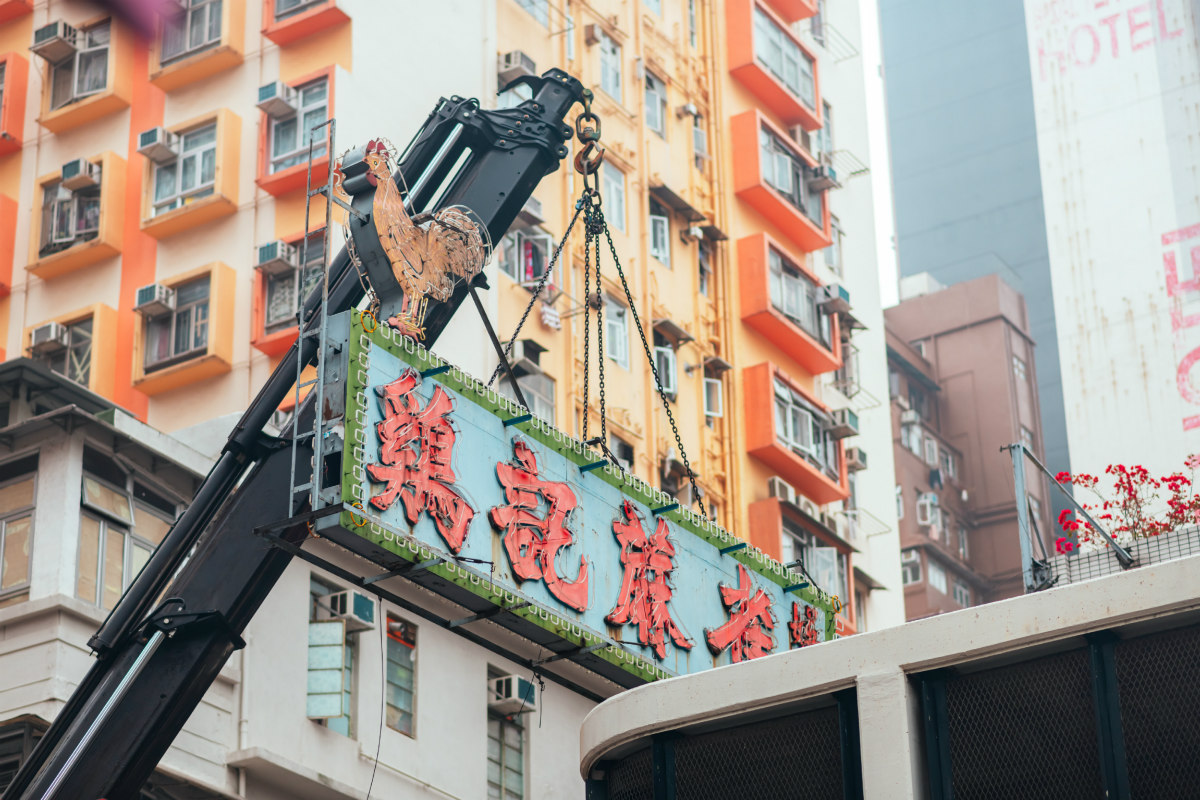
As we admired the colorful lights emanating from a large, rustic sign in front of us, I asked Giselle Hsu why these signs hold such significance for Hong Kong’s culture. “Many of these neon signs are family treasures, often passed down through generations. For instance, one of our oldest signs dates back to the 1950s and has been in the family for five generations. This makes it difficult for many business owners to part with their signs, as it feels like they are losing a piece of their family history and culture,” she explained in Cantonese.
That’s when Tetra Neon Exchange comes in. After shop owners receive official removal orders due to government regulations, Tetra Neon Exchange steps in with the purpose of rescuing and restoring these signs before they reach landfills. They rent an open-air yard in the rural district of Yuen Long, Hong Kong. The storage and rescue operations are fully funded by their co-founder, David, who established Tetra Neon Exchange out of a deep personal devotion to safeguarding Hong Kong’s neon heritage and ensuring its stories are not lost to landfills. They have currently collected nearly 100 neon signs.
Giselle Hsu took me to another section of the Luminous Neon Exhibition that has a distinctly different character. “This section features neon crafts made by the younger generations of neon masters,” she explained. Unlike projects that are shop- and commerce-oriented, these works focus more on contemporary art and visual spectacles. New neon masters and craftsmen are beginning to revive Hong Kong’s shrinking neon industry, preserving a craft that has been inherited from previous generations. These creations are not just commercial signboards; the new craftsmen and masters are exploring more artistic uses of neon and robust structures.
The introduction of the Signboard Control System in 2011 created a streamlined regulatory framework that allows building owners and tenants in Hong Kong to undertake small-scale construction, renovation, and repair work on advertising signboards (including neon) without prior approval or consent from the Buildings Department. This legislation facilitates quicker, more straightforward approvals for shop owners seeking to create new, structurally safe signs, even if these signs are smaller in scope.
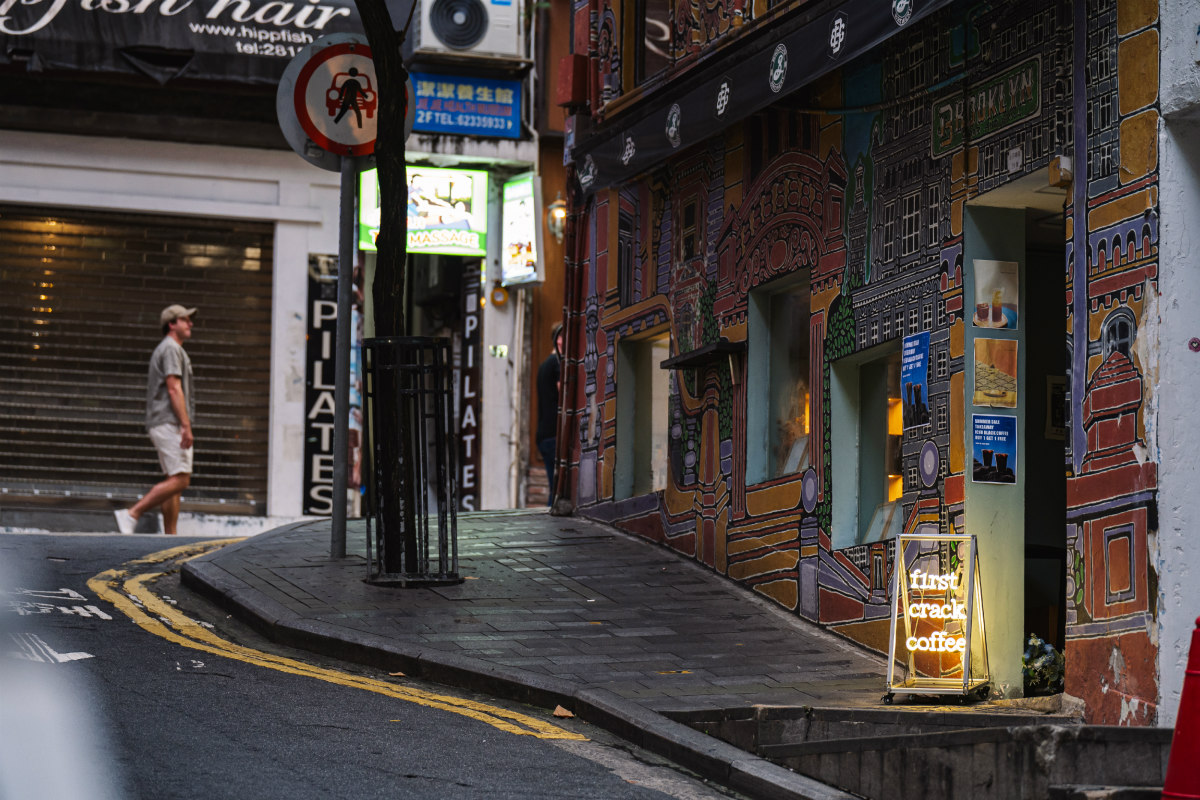
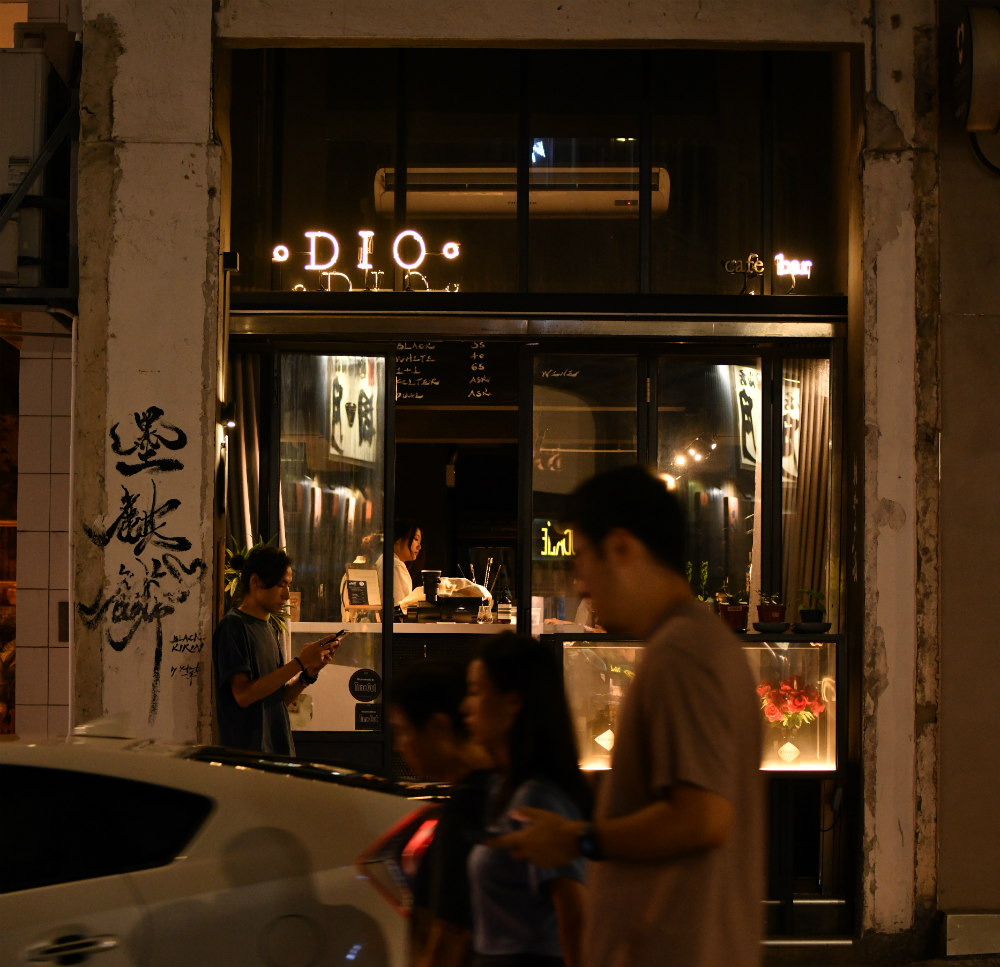
Architects Kevin and Ken also help business owners preserve neon signs. They are the co-founders of StreetsignsHK, an organization dedicated to sustain Hong Kong’s neon signs culture. While working on large development projects across Hong Kong, they found themselves unexpectedly connected to a more intimate aspect of the city when they witnessed a neon sign being demolished. At that moment, they knew little about signage, but they could still appreciate its beauty—the calligraphy was hand-drawn, unlike many modern computer fonts. They asked the worker if they could keep the sign, and that’s how they became involved in neon signage in Hong Kong.
“People often fail to see the value of something until it’s gone; however, in Hong Kong’s case, residents don’t really have a choice. We often preserve things too late ,” said Kevin. Yet, he believes that Hongkongers deserve the opportunity to reflect on the value of these signs and say something about it.
Recommended Read: Graphic Heritage: The Vanishing Face of Cities’ Colorful History
In a compact, fast-paced, and bustling city like Hong Kong, heritage preservation is often in short supply. The cityscape changes rapidly due to numerous redevelopment projects occurring every few years. With many local artists and craftsmen either retiring or being priced out of the city, I couldn’t help but wonder how this affects local residents and whether they even bat an eye anymore at the rapidity of change.
This is why Kevin and Ken photograph many signs to tell the stories behind them. Through their exhibitions, they encourage people to consider what these signs mean to them personally, whether they feel a connection to them, and whether they ultimately want to advocate to keep them on the streets.
In recent years, Kevin and Ken have observed new, smaller neon signs popping up in Hong Kong. Using their expertise as architects, they guide shop owners through the practical aspects of sign preservation and the process of creating new signs using traditional craftsmanship.
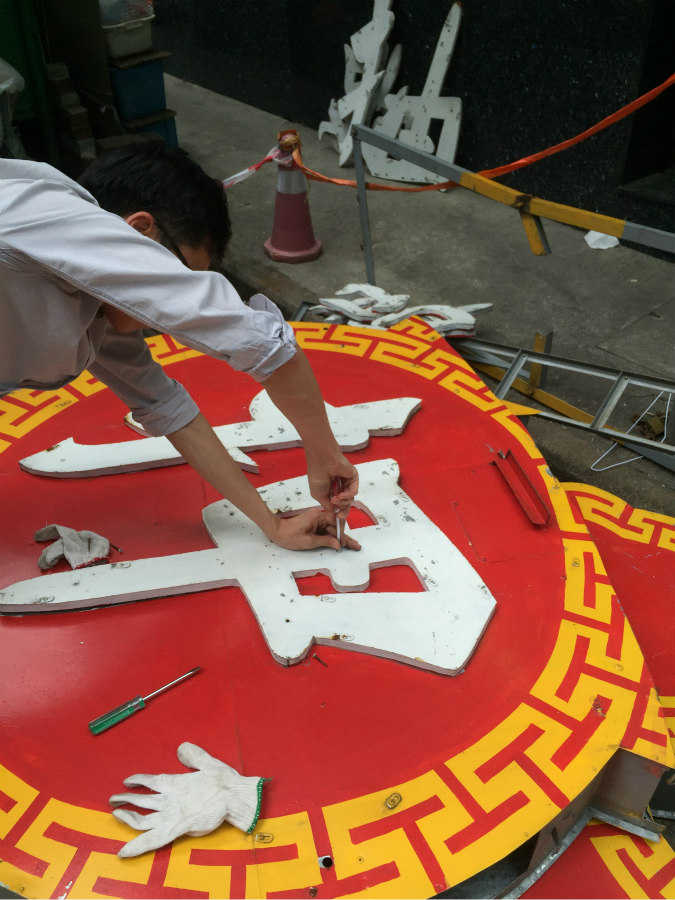
“We worked with the famous dim sum restaurant Metropol that was about to close down. They had a large sign that the owners were very attached to, so we helped them in an advisory role on the technical aspects of demolishing the sign, and also how to keep certain parts,” said Kevin.
They acted as intermediaries between the contractors who would demolish the sign and the restaurant owners, guiding them to keep several components, including the Chinese characters. Kevin added, “It was a very special project for us, as the space the restaurant occupied has now become a school (bought by the Hong Kong University of Science and Technology), and we helped them keep parts of the sign for exhibitions and educational purposes.”
Ken is cautiously optimistic about the future of Hong Kong’s neon heritage. “It’s true that neon is receiving more attention now than ever before, recognized as an intangible heritage craft vital for neon branding,” he noted. Ken believes that this growing interest is encouraging many commercial ventures to collaborate with neon artists, as these craftsmen typically begin with smaller projects that serve as stepping stones toward larger commercial endeavors. These collaborative efforts will help revive neon culture, not just on the streets but also in various forms, such as art installations and industrial designs, as well as through shorter collaborations like exhibitions. He concluded, “Eventually, I think people will once again think of Hong Kong when they think of neon.”