
Listen to the audio version of this article (generated by AI).
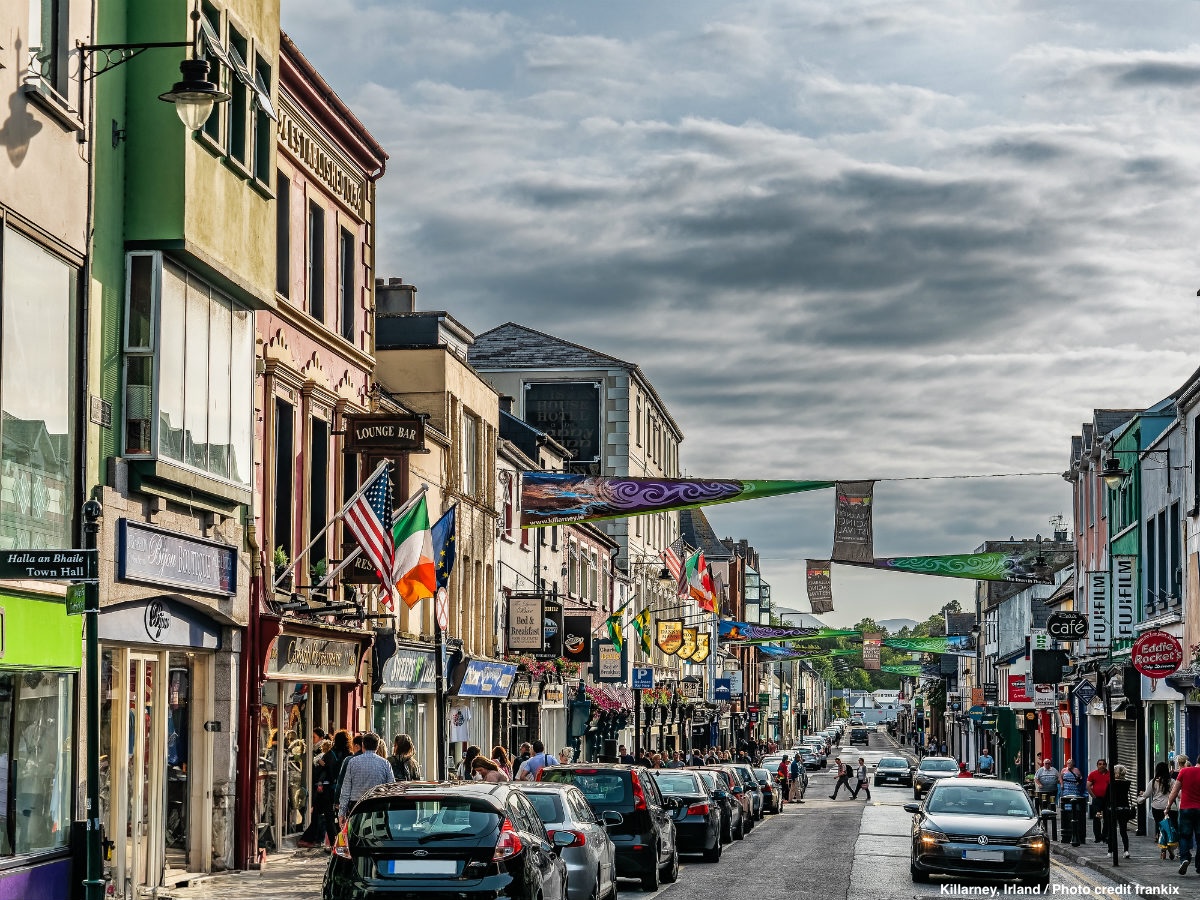
Earlier this year, I visited the small Irish town of Killarney, where my taxi driver, Patrick, wore a sunflower lanyard—the international symbol for hidden disabilities. He mentioned that he is autistic, setting the tone for the rest of the visit. Soon I began noticing autism-friendly opening hours posted in supermarket windows, a local college that offers activities for those on the autistic spectrum, and signs proudly announcing that Killarney had officially become an Autism-Friendly Town in 2025.
Killarney’s efforts stand out because urban environments are often loud, crowded, visually overwhelming, and full of unexpected sensory experiences. For autistic people and others with sensory processing differences, everyday activities—from shopping to sightseeing—can become exhausting. Busy public spaces, especially those frequented by both residents and tourists, can be particularly challenging.
Yet these barriers are not inevitable. With thoughtful planning and relatively small adjustments, cities can become autism-friendly and far more welcoming to neurodivergent people and those who accompany them.
In Killarney, the initiative began with one resident, Kevin Leahy—a local hostel owner who is also neurodivergent. He started researching the support available for local autistic people in County Kerry, realizing there were limited options. During his research, he discovered “As I Am”, an autism charity in Ireland that grants the accreditation “autism-friendly town” to qualifying towns and cities. Leahy participated in charity ultra marathons and long-distance runs to collaborate with them. After learning about another autism-friendly town, Clonakilty, he was determined for Killarney to follow suit.
“I was able to pull together a really great bunch of local people from all walks of life, and we created a committee,” he said. This effort began in 2022, and Killarney’s autism-friendly status was officially recognized by “As I Am” three years later.
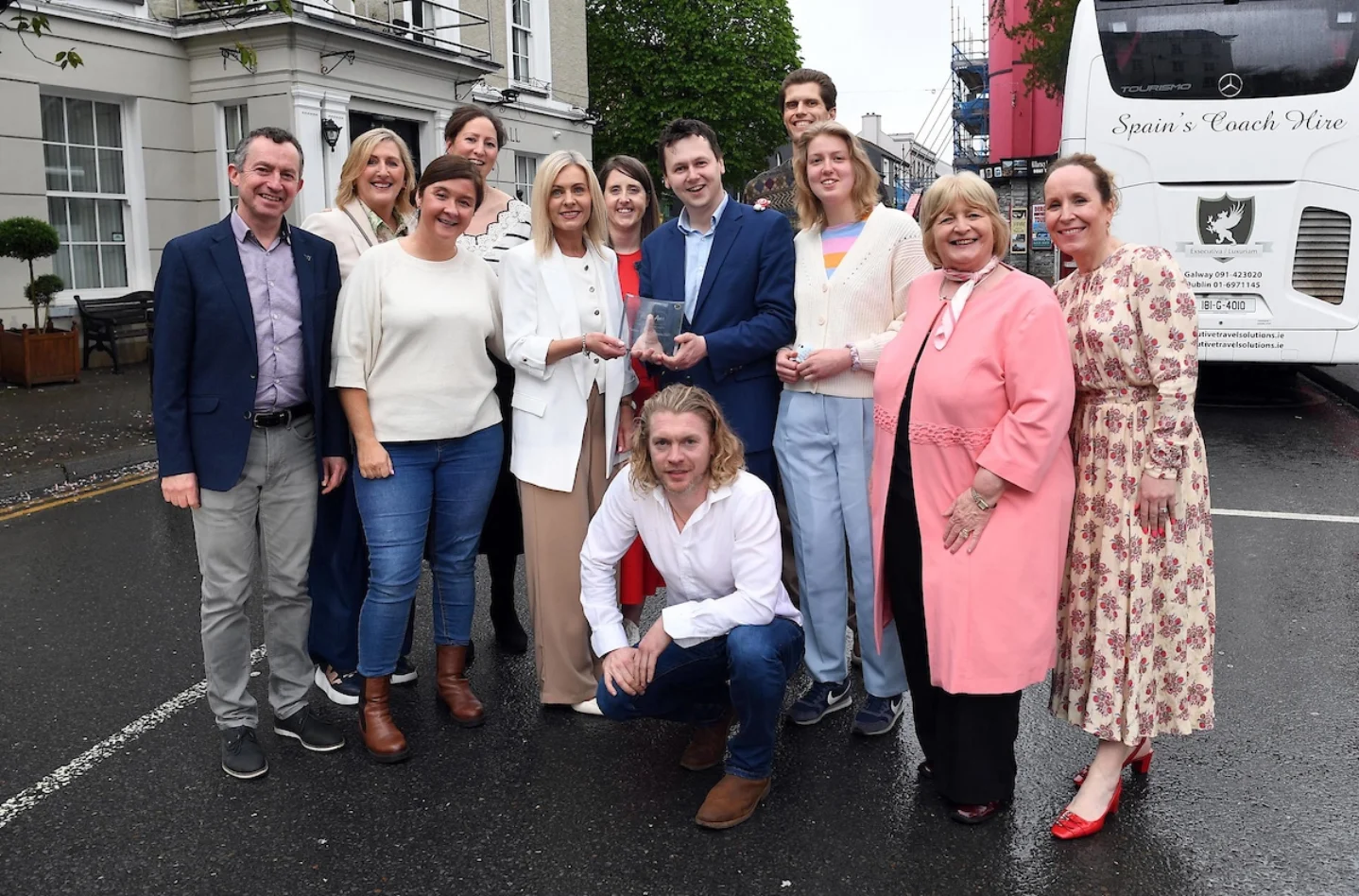
The committee’s main tool is a Champions scheme: more than 30 local businesses, services, and public buildings have signed up to enhance accessibility and ensure that everyone can fully engage in community life. Each Champion receives training and a sensory box of toys, headphones, and colouring pencils. The adaptations are mostly small and require little investment.
Shops dim their lighting and turn down the music and lights for an hour to avoid sensory overload. A local butcher moved a loud cutting device into the back room. Several businesses swapped harsh white bulbs for softer yellow ones.
As Killarney lies along the popular tourist route, the Ring of Kerry, visitors also benefit from the changes made at some tourist attractions. Ross Castle Boat Tours, run by brothers Tony and Mike Fleming, made their business inclusive for individuals with both physical and mental disabilities after 130 years of operation on Lough Lane.
Recommended Read: A Surprising Tool for City Parenting: The Landline
In 2023, the Fleming brothers completed their first autism-friendly training. Their business now offers separate sensory tours, as well as quieter early and late slots, adjusted as needed to keep inclusion integrated into the regular schedule rather than treated as a special service. The boats are wheelchair-accessible, featuring longer, wider vessels without center seats, reinforced stairs with handrails, and a capacity for three wheelchairs on board. The boat also has a wheelchair hoist. The Irish National Parks and Wildlife Service helped fund accompanying infrastructure such as accessible toilets at the pier.
“It’s the small things that we have learned from the experience [of making their tours more inclusive]. These tours have been some of the most fulfilling ones that we do now”, Leahy says with a big smile on his face. They are very popular and book out quickly, and everyone benefits from them, tourists and locals. They also collaborate with local schools. Mike has turned his lessons on this journey into an activity book which autistic kids get while on the boat.
Business owners, Kevin Leahy and Mike Fleming, describe a gradual shift in how autism is discussed in the local community. Killarney has become more open about autism and neurodivergent individuals. “There is a bit more willingness,” Leahy notes. “People are overcoming the stigma about autism that has been passed down the generations. We are having open conversations instead of sweeping autism under the carpet, like Irish people have typically done for many generations.
Fleming recalls a TripAdvisor review left by the father of an autistic boy, who expressed his initial nervousness about bringing his son on the water for the first time. The father ultimately shared that the experience turned out to be calm and reassuring. “It’s not how to react, it’s how not to react when a child needs to regulate on the boat,” says Fleming. Handling these situations is less about training staff in fixed scripts and more about removing the instinct to intervene.
Leahy explains that while focusing on autism doesn’t address all accessibility needs, it has collateral benefits. For instance, the sensory-friendly zones established at Killarney’s various festivals, which are cordoned off and staffed by trained stewards, are also utilized by wheelchair users and others with limited mobility. “It’s an area to feel safe that’s quiet and welcoming. We’re open to anyone that really wants to be in the area,” he adds.
Sustaining momentum after the initial recognition of the initiative is often more challenging than launching it. Funding is sourced from a mix of public donations, county council grants, and fundraising support from local schools, but the committee relies on volunteer hours.
“You have a lot of enthusiasm at the start, you win the award, and it’s great,” Leahy remarks. “But sometimes, the hard work starts only afterward, doing this kind of thing year after year.”
Killarney’s answer has been to lead independent groups, including a youth group, which operate alongside the main committee, meet independently, and organize their own activities. The committee provides space and occasional coordination rather than oversight.
Recommended Read: Sound Healing Under Britain’s Sistine Chapel
Leahy is also clear that the initiative cannot replace government responsibilities like employment support, although he tries to offer work experience and introductions to potential employers whenever possible. His advice to cities that consider becoming autism-friendly is to find a dedicated committee and start, rather than waiting for funding to arrive first: “Go for it! The knock-on effect this has of just bringing the community together is priceless. It’s lovely to see people coming together to help the entire community.” Killarney’s compact size certainly helps. Larger cities such as London or Dublin face greater complexity, and autism-friendly services are often more dispersed. Yet the town’s success suggests that size is not the decisive factor. What matters is a model built on community leadership, trained local businesses, volunteers, and modest but coordinated investment.
Cities already employ people skilled in supervising visitors with additional needs, whether in hospitality, transport, or retail. In Leahy’s view, the essential work is not about creating new expertise but rather recognizing and training the existing skills of their staff.
Liaising directly with national and regional services is also crucial. “They may not have considered the provision of services for neurodiverse people, but when the prospect was floated to them, they absolutely embraced it,” Fleming, the boat tour operator, says referring to the involvement of the National Park and Wildlife Service.
For local decision-makers and city officials considering whether an autism-friendly designation is worth pursuing, Killarney shows there is no need for a large budget. Dedicated volunteers will keep the work running. “If you support them, the entire city wins,” he concludes.