
Listen to the audio version of this article (generated by AI).
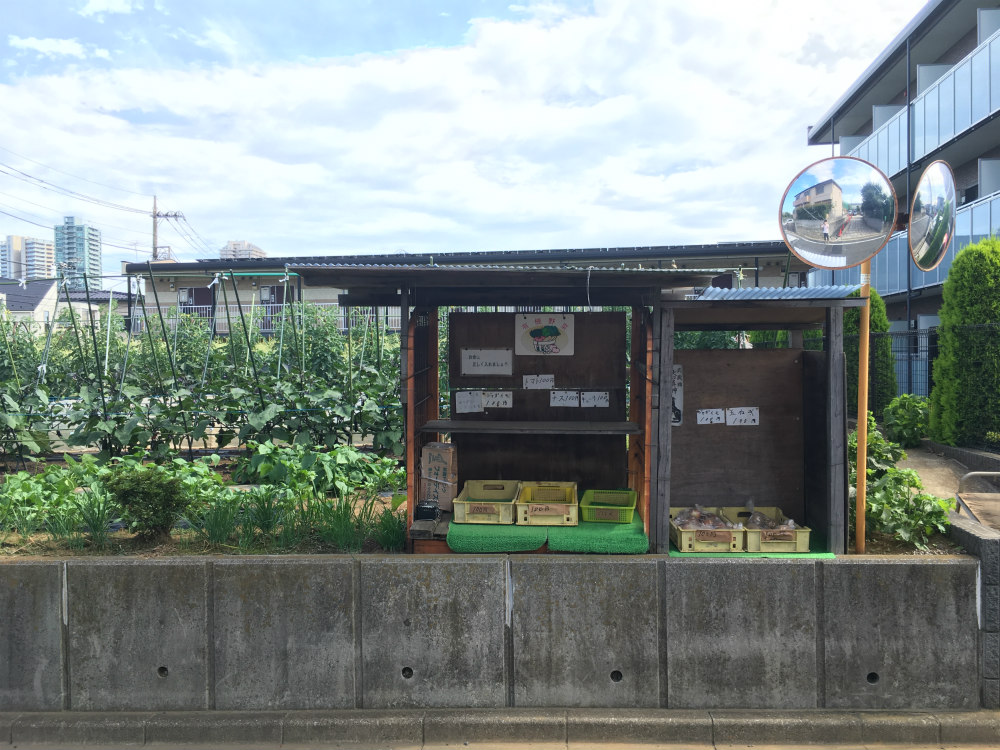
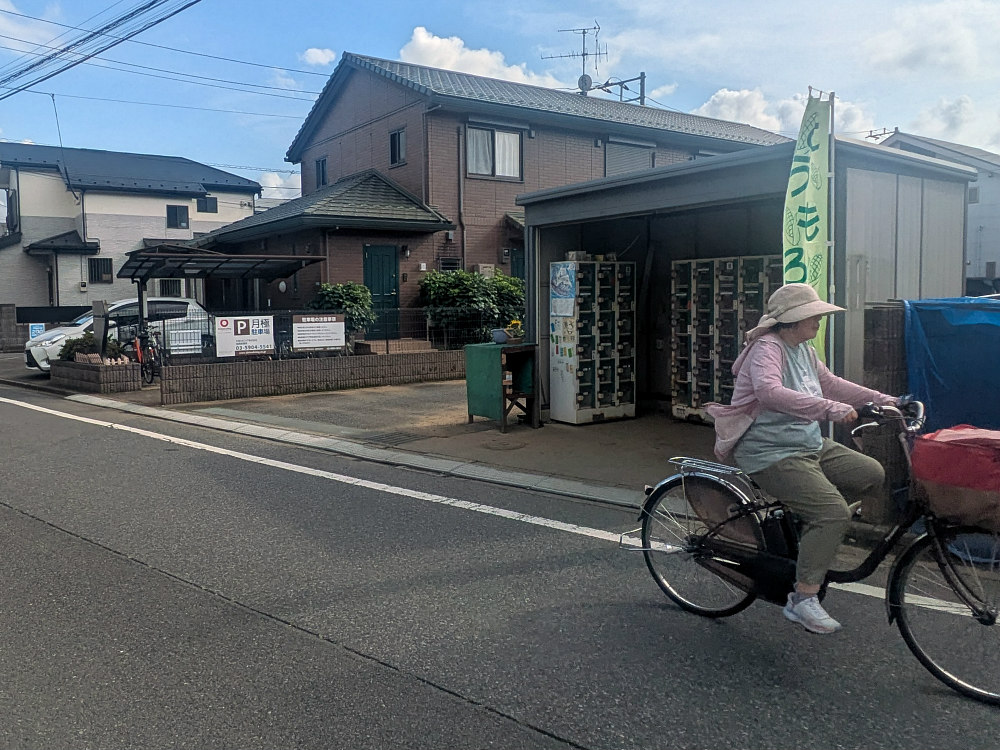
As the sun sets, commuters on bikes and local residents stop at a mujin hanbaijo, one of Japan’s self-service farm stands, to browse the day’s harvest in Nerima, a ward on the western edge of Tokyo. With practiced ease, someone inserts coins into the slots of these vegetable vending machines and retrieves a heavy, soil-dusted cabbage harvested just hours earlier from the field behind her. Handwritten recipes taped to the lockers suggest the best ways to prepare some of the unfamiliar regional vegetables. She tucks the fresh produce into his bag and rides away.
Some mujin hanbaijo are simple, rustic wooden shelters where fresh cabbages and radishes are laid out next to a wooden box for coins, operating entirely on mutual trust. In all their forms, these stands serve urban dwellers who want to buy seasonal crops that rarely make it to major supermarkets.
This scene is a seamless, beautiful intersection of the rural and the urban, happening right on Tokyo’s suburban fringe, just twenty minutes by train from the city’s hyper-dense center.
Nerima has a quiet residential character—a sprawling suburban expanse dominated by single-family homes, neat apartment complexes, and narrow, winding streets. Yet, as you venture deeper into its quiet neighborhoods, the monotonous concrete and asphalt begin to fracture. Gradually, small pockets of raw, open earth appear, interspersed among the modern mid-rise apartment buildings.
To a visitor accustomed to the rigid separations of megacities, the sight is delightfully jarring. Right next to a four-story concrete apartment building, dust swirls over a meticulously plowed field. Green, leafy vegetables grow in neat, vibrant rows, heavy with the season’s bounty. This is not abandoned land in Tokyo awaiting urban development; it is active, productive farmland thriving in the shadow of the metropolis.
***
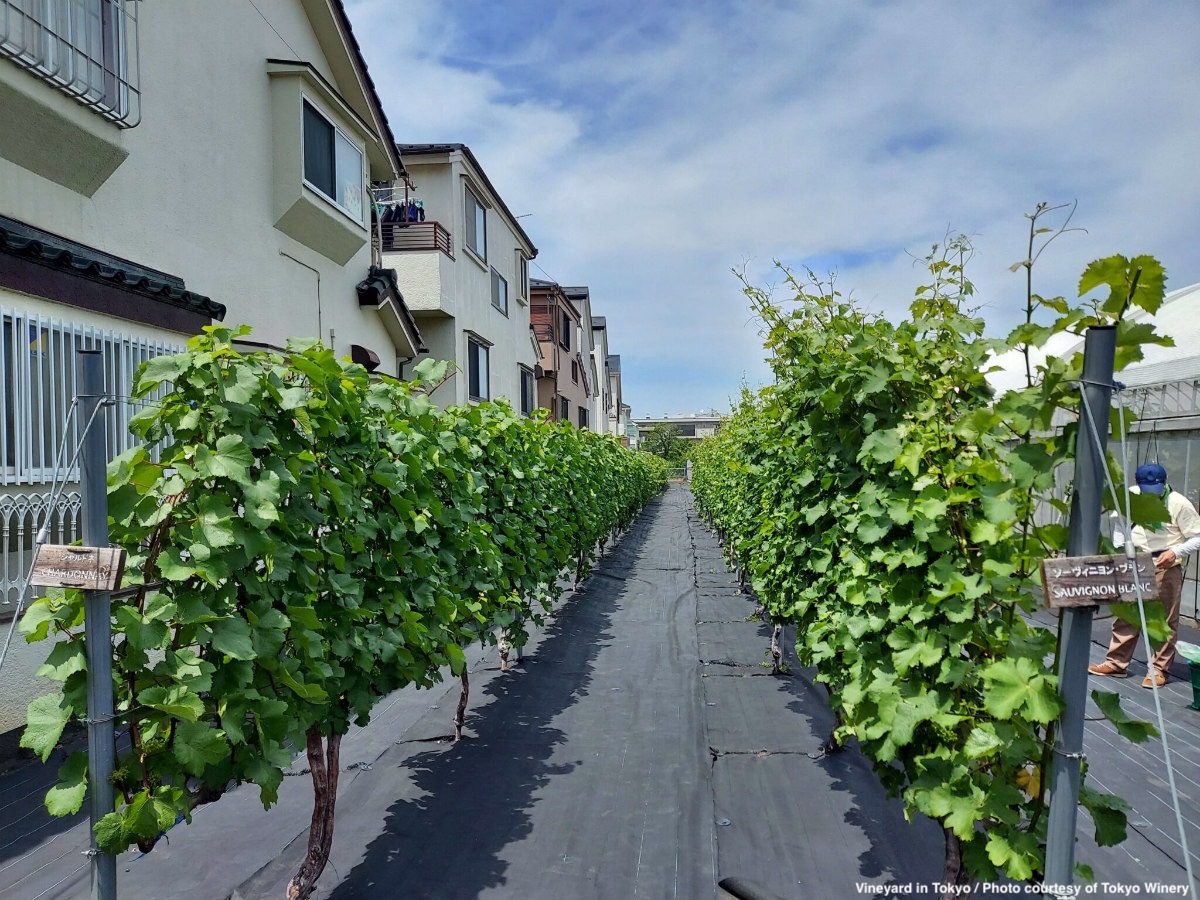
On a crisp Sunday morning, I set out in search of an address in Nerima, just days after discovering a small flyer recruiting “Farm-Mates” at Nemira Winery while buying a bottle of wine at a local shop. Intrigued by the opportunity, I signed up. Following the map, I walked past quiet apartment buildings until I came across a gap in the residential facade. As I stepped past the outer hedge, I was stunned to find a beautiful, hidden vineyard of the Nerima Wine Project stretching out behind the homes.
This vineyard is part of Tokyo Winery—the metropolis’s very first urban winery, founded by Miwa Echigoya in 2016, harvesting over 1,800 kilograms of grapes in urban farmland and producing more than 1,500 bottles of Tokyo-grown wine annually. It makes its wines with grapes from various production areas.
The Nerima Wine Project uniquely cultivates grapes with neighborhood support through its “Farm-Mate” program. Instead of relying solely on professional agricultural laborers, the project opens its doors to the public. Anyone in the community can sign up to participate in the entire lifecycle of the wine—from pruning spring shoots to harvesting grapes and assisting in the fermentation process.
The initiative brings together local restaurants, farmers, and urban residents in Tokyo to cultivate wine grapes and produce localized vintages on farmland right in the middle of the city’s residential zones. The wine bottles are sold at local shops, farmers’ markets, and community festivals, keeping both the capital and the community highly localized.
That morning, I joined a diverse group of eight other volunteers, from retired seniors to office workers who spent their weekdays in corporate high-rises.
Working side by side, we pruned leaves to ensure the grapes got enough sunlight and carefully trimmed away diseased berries to protect the harvest. Against the background murmur of distant traffic and suburban life, the only immediate sound was the steady click of our shears. It was a meditative, deeply grounding experience. For a few hours, individuals who normally had nothing in common but their train line came together to care for a piece of shared land.
As a 50-year-old woman who has volunteered with the project for several years explained to me: “Here, you don’t just buy a product—you get to experience the entire lifecycle of the wine, from pruning the first spring shoots to sharing the final bottle. Because we can participate in almost every step, even the smallest tasks, it’s so rewarding to watch the grapes grow and turn into wine. I’ve even joined the team to go out and sell the bottles together. It changes how you see this neighborhood.”
***
Tokyo has an astonishing amount of agricultural land despite its reputation as a concrete jungle. According to 2024 statistics, Tokyo (excluding the Izu and Ogasawara Islands) actively cultivates approximately 5,041 hectares (over 7,000 football fields) of urban farmland, generating around 22,000 million yen (over 134 million US Dollars) in annual agricultural output. Even in the special wards—in heavily urbanized central Tokyo—roughly 417 hectares of farmland are destined to urban agriculture, with nearly half of it preserved in Nerima Ward alone.
Tokyo’s mid-20th-century expansion was chaotic, rapid, and organic. Landowners clung to their ancestral plots, while residential development wrapped around them like ivy.
From a traditional urban planning perspective, this lack of segregation might be classified as a failure of orderly zoning. However, in the 21st century, as global cities grapple with food security, social isolation, and climate resilience, Tokyo’s accidental “agricultural mosaic” emerges as an invaluable urban asset. These micro-farms provide immediate access to fresh, affordable produce, mitigate the urban heat island effect, offer vital open spaces for disaster evacuation, and serve as rare sites for community education and intergenerational connection.
Recommended Read: The Invisible Infrastructure Tokyo’s Cyclists Are Trying to Protect
The survival of these green pockets is no accident; it is the result of a delicate, ongoing battle between development pressure and policy preservation.
During the rapid urbanization of the post-war decades, Tokyo’s expansion threatened to consume every square inch of agricultural land. To address this existential threat, the Japanese government introduced the Productive Green Land Act (Seisan Ryokuchi Hō) in 1974. However, the 1991 legal revision truly transformed the system, offering landowners significant property and inheritance tax relief in exchange for a 30-year commitment to urban farming. In essence, the preservation of Tokyo’s green spaces relied on a simple covenant: the land would be saved only if it remained actively farmed.
Yet, the total area of urban farmland in Tokyo has steadily declined since the system’s inception. Whenever rising land prices in central Tokyo drive up housing demand in the suburbs, urban farmers face persistent pressure to convert their fields into residential plots.
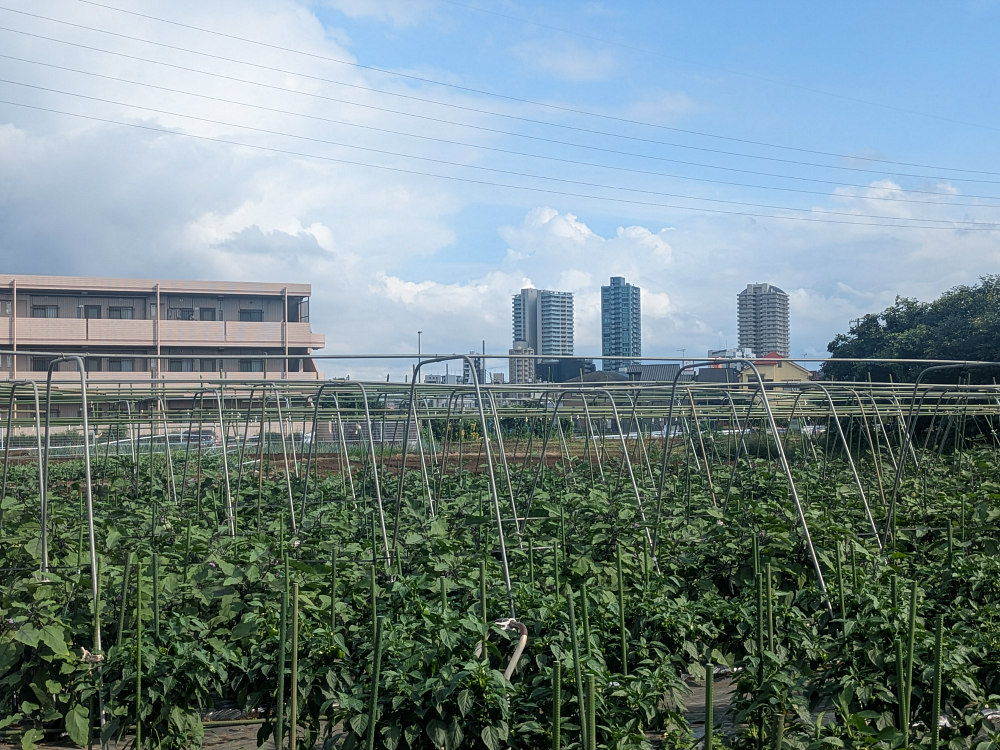
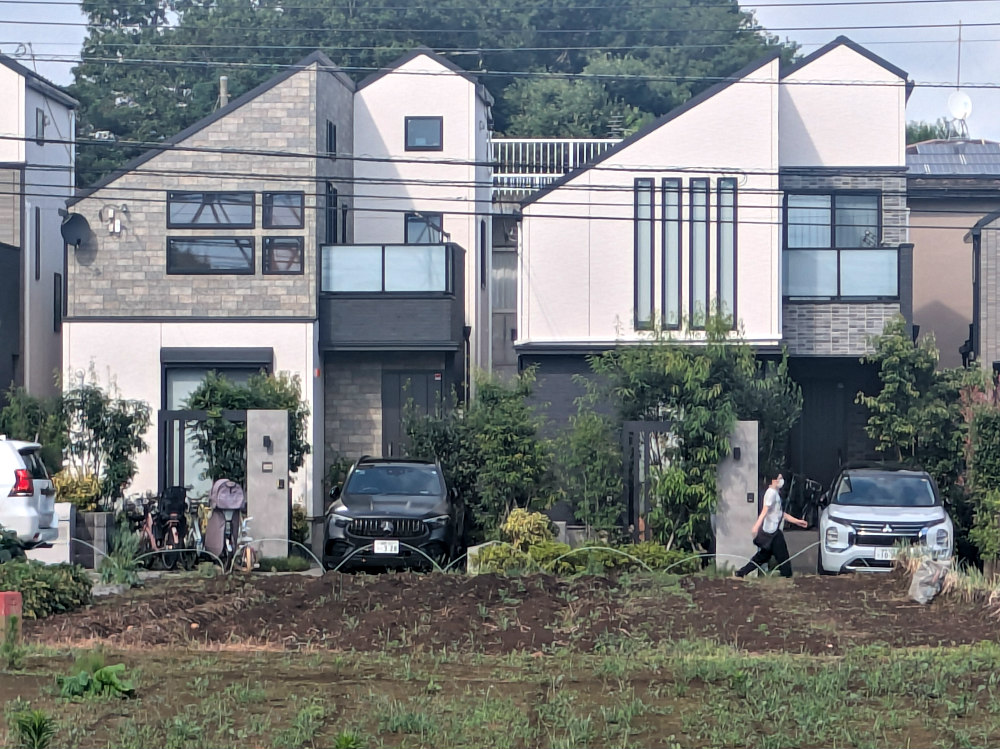
Recently, the crisis has become not only financial, but demographic. Japanese agriculture, including urban farming, faces an aging crisis, with many farmers reaching retirement age without successors willing or able to take over the physical labor of cultivation. Recognizing these vulnerabilities, the government introduced crucial reforms in 2017. As many of the original 30-year covenants approached their expiration, new legislation allowed farmers to extend their status for another 10 years. Furthermore, the minimum size requirement for protected plots was lowered, and rules were relaxed to allow farmers to lease their land to third parties or build on-site facilities like farm-to-table restaurants. However, the ultimate survival of these spaces still rests on the shoulders of individuals. Without creative, economically sustainable strategies, the mosaic will inevitably fade into concrete.
The success of the Nerima Wine Project suggests that the future of urban farming does not lie in merely protecting land to maintain traditional individual farming. Instead, we must actively dissolve the barrier between producers and consumers—in other words, between the rural and the urban. By stepping into the soil as “Farm-mates,” urbanites are practicing what can be described as a “mosaic lifestyle”—a hybrid way of living in which we are not merely passive consumers in a commercial landscape, but active stewards of our local ecosystems.
Tokyo’s urban agricultural mosaic is a powerful reminder that truly livable urban scenes emerge from cities that embrace complexity rather than rigid, sterile order. The accidental integration of residential homes and micro-farms has gifted Tokyo unique environmental and social resilience—but this gift requires constant, active renewal.
If we want to save Tokyo’s green spaces, we must be willing to get our hands dirty. Through these tiny, collective acts of cultivation, we can ensure our concrete jungles remain vibrant, productive, and profoundly human.